French Polynesia · Practical
Bora Bora, and the Island You Don’t Stay On
Most people who spend a week on Bora Bora never set foot on Bora Bora.
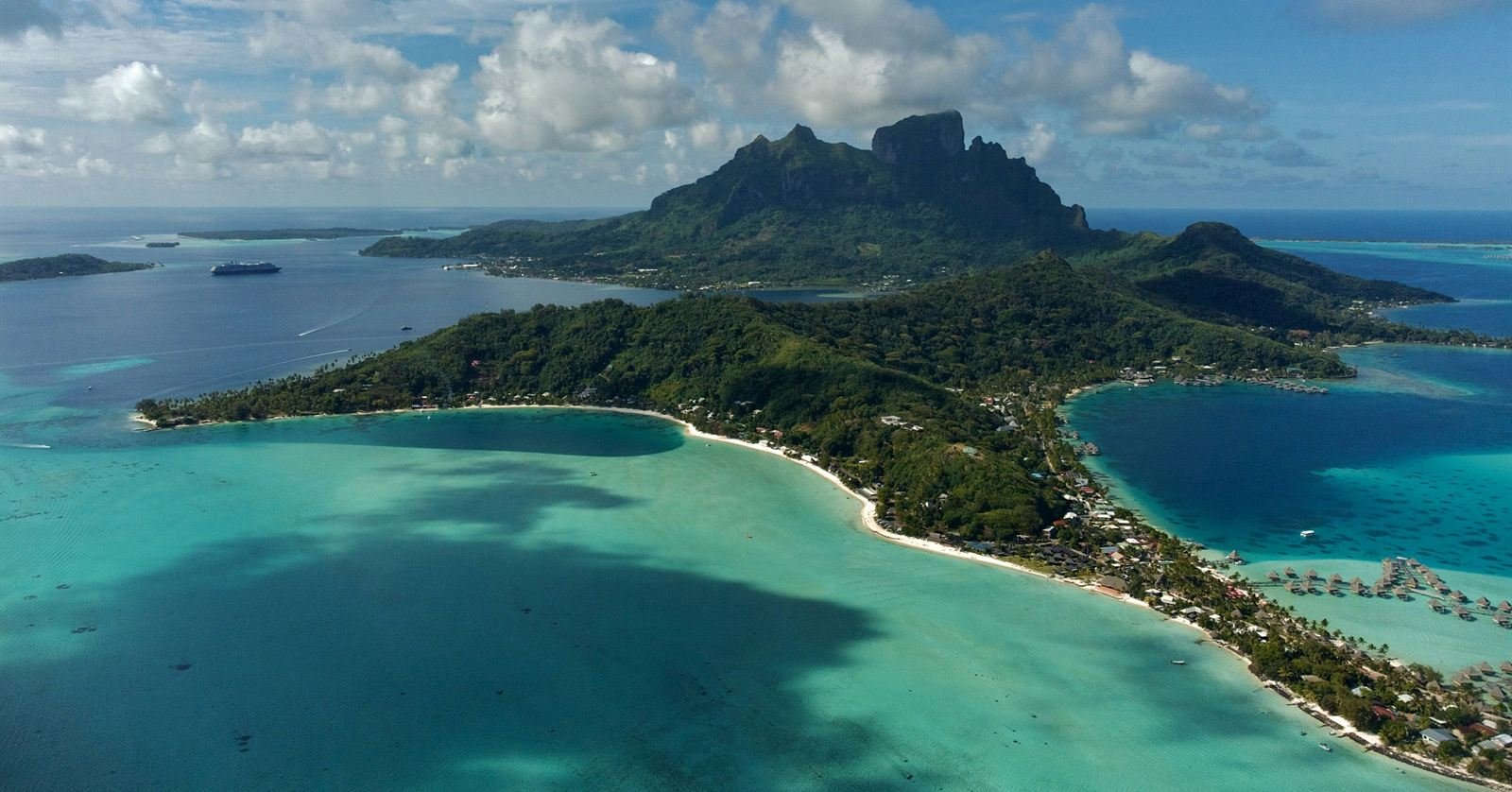
The airport sits on Motu Mute, an islet on the northern reef, unreachable by road. Everyone arrives by boat. And the great majority of the resorts — certainly the ones with the overwater bungalows people come for — are themselves built on motus around the lagoon, each on its own strip of coral sand, each reachable only by water.
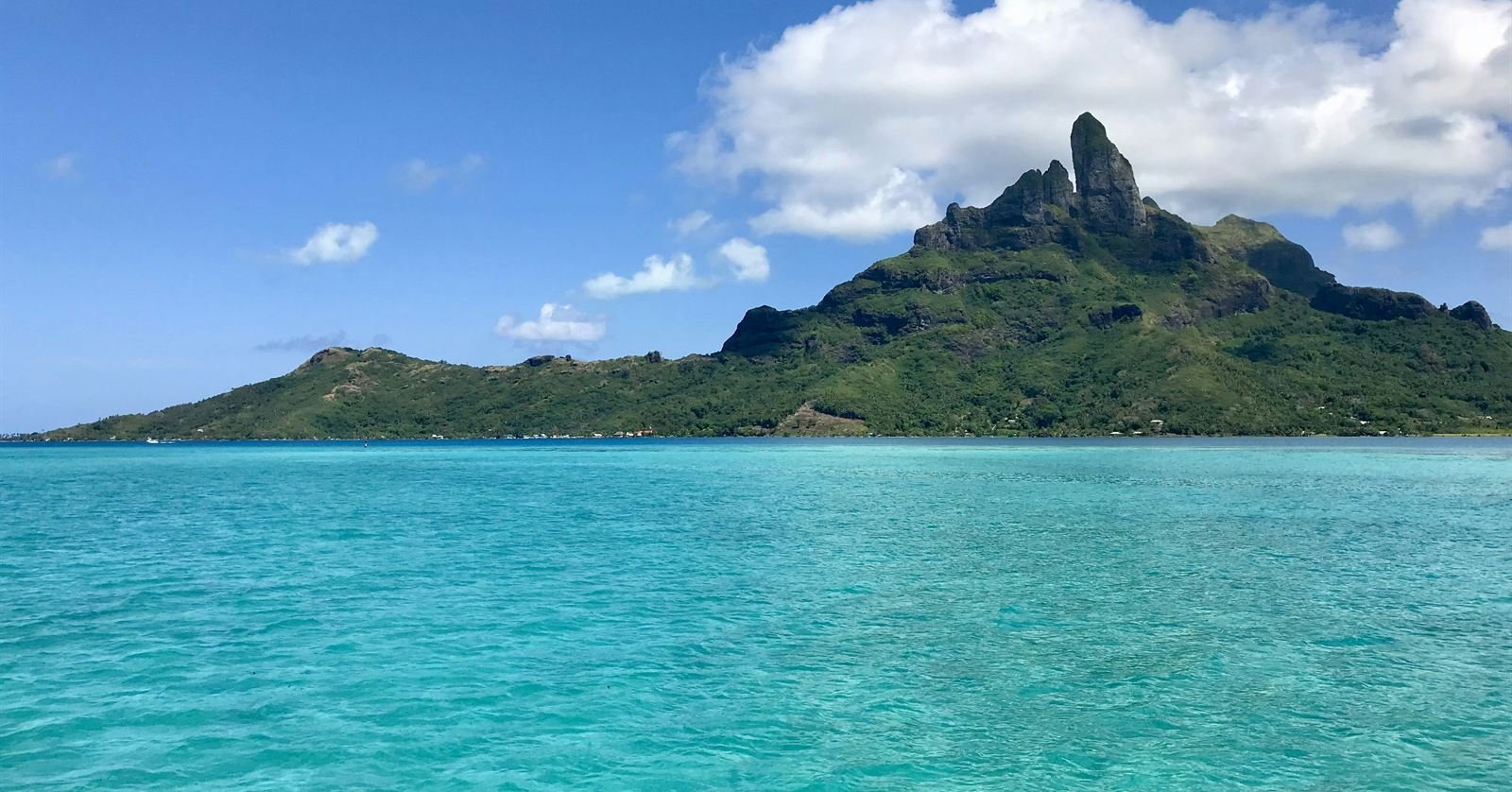
So the standard trip is: fly in, transfer by boat to an islet, stay on the islet, transfer back to the airport. The main island, with its village, its road, its mountain and the people who live there, is a green shape on the horizon for seven days.
That is a legitimate holiday. It is not, in any meaningful sense, a visit to Bora Bora.
Smart Summary
- The airport is on a separate islet. No road access. Every arrival and departure is by boat.
- Leaving, the public shuttle departs Vaitape ninety minutes before your flight. Miss it and you miss the plane. This is the single most important logistical fact on the island.
- Most resorts are on motus, not on the main island. Decide deliberately which you want — they are different holidays at different prices.
- The main island has one road around it, a village at Vaitape, and a mountain behind. Half a day covers it, and almost nobody gives it that.
- The lagoon is the product. Not the bungalow. Book the island for the water and the bungalow becomes a bonus rather than the point.
Motu or main island — decide before you book
This is the choice that determines the week, and it is usually made by accident.
On a motu. Overwater bungalow, private beach, house reef, and a resort that is effectively a closed world. Everything you eat and drink comes from one kitchen at one set of prices, and going anywhere else means arranging a boat. The isolation is genuine and for some people it is the entire appeal — a week of not making decisions.
On the main island. Lower rates, a road, a village, restaurants that are not your hotel’s, and a beach at Matira that is public and one of the best in the territory. You will not have an overwater bungalow. You will have change in your pocket and somewhere to walk in the evening.
Neither is wrong. What is wrong is booking one while imagining the other — arriving at a motu resort expecting to stroll into a village, or booking a guesthouse at Vaitape expecting a private lagoon.
Where we would stay, and what each one actually gives you
Booking through these links may earn Sharp Voyage a commission, at no extra cost to you. It does not change what we recommend. How this works.
Five resorts make our list here, and the honest way to separate them is by where they put you rather than by how many stars they carry.
InterContinental Bora Bora Le Moana is the one on the main island, at Matira Point, with a road outside and the public beach a short walk away. Sixty-one units, of which twelve are beach bungalows and two of those are wheelchair accessible — a figure the resort counts and publishes itself, which almost nobody on this island does. Coral is grown on site by the Biorock method. If the argument of this piece appeals to you, this is the address that follows from it.
Le Bora Bora by Pearl Resorts sits on Motu Tevairoa with no neighbouring resort in sight, and is nonetheless the best-connected motu on the lagoon: ten minutes by boat from the airport, fifteen from Vaitape. A hundred and eight rooms and villas, garden and beach villas with pools alongside the overwater categories, built in a deliberately traditional register rather than a contemporary one.
Four Seasons Resort Bora Bora is all suites, on its own motu facing Otemanu — a hundred and eight overwater suites, twenty-seven of them with a private plunge pool, and seven beachfront villa estates behind. A marine biologist works on site and runs the lagoon sanctuary, which is the rare resort activity that is not simply a boat with a snorkel attached.
The St. Regis Bora Bora is on Motu Ome’e, entirely in villas, and publishes the practical detail the others leave out: the shared boat transfer from the airport runs at 8,600 XPF one way, and one free shuttle a day goes across to Vaitape, on every day except Sundays and public holidays. The resort states that its overwater villas, from 144 m², are the largest in French Polynesia and the South Pacific.
The Westin Bora Bora Resort & Spa is the newest thing on the lagoon and the one most often described wrongly: it reopened in September 2024, after four years of works, on the site of what used to be Le Méridien, a name plenty of listings still carry. Ninety bungalows, confirmed to us directly by the resort. Read the rate twice before you book — a destination fee of 11,550 XPF per room per night, roughly €97, sits on top of it, and the resort presents it as covering a set of inclusions.
A word on what we are not telling you. None of these five publishes its nightly rates, and some publish nothing beyond their categories, so we have left out the numbers we could not confirm with the resort itself rather than repeat what the booking platforms carry. On this island that matters more than usual: one widely listed capacity figure we checked turned out to be more than half as large again as the true one.
The departure trap
Coming in is easy: your flight lands, a boat takes you where you are going, and someone else is managing it.
Going home is where people come unstuck. The public shuttle run by the domestic airline leaves the pier at Vaitape an hour and a half before your flight’s scheduled departure. That is the boat. If you are staying on the main island and you arrive at the pier an hour before your flight, you are not making that plane.
If you are on a motu, your resort runs its own transfer and will tell you a time. Take that time seriously for the same reason.
Build the last morning around the boat, not around the flight.
What the lagoon actually gives you
The reason to come is the water, and it is worth being specific about what that means.
Bora Bora’s lagoon is enclosed by an almost complete barrier reef, which makes it exceptionally calm and exceptionally clear, with the depth grading from ankle-deep on the sand flats to a proper drop-off near the passes. The colour is not a filter. That part is true.
The lagoon tour is the thing almost everyone does and it is, for once, worth doing — a boat, a circuit of the lagoon, stops to snorkel, and a lunch on a motu. Rays and blacktip sharks in the shallows are a standard part of it.
Diving happens mainly outside the reef, on the drop-offs, and the island is a competent rather than exceptional dive destination. If diving is your reason for crossing the Pacific, the atolls are the better answer and we say so in the hub.
Snorkelling straight off a beach is where the motu resorts earn their money. A house reef you can swim to before breakfast is a different proposition from a boat trip you had to book.
The mountain nobody climbs
Behind the village, the island rises to a pair of basalt peaks — the remains of the volcano the whole atoll grew around. The summit is a technical proposition and needs a guide.
Below it there are walking routes to viewpoints over the lagoon that require nothing more than a morning and reasonable fitness, and they are empty. In a place where several thousand people a week photograph the same water from the same angle, walking twenty minutes uphill puts you somewhere nobody is.
There are also wartime gun emplacements on the coastal heights, left from the American base that built the airstrip in 1942 and 1943. They are unglamorous and they are the reason the runway exists at all.
When to go
May to October, the dry season, which is also peak rate season. The trade-off is honest: you pay the most and the weather is most reliable.
November to April is wetter and cheaper. Rain here tends to be heavy and short rather than constant, but the humidity is real and the far end of the season carries cyclone risk.
Book early either way. The good rooms on this island are a finite and famous inventory, and they go many months out.
What we would skip
The week that never leaves the resort. Even if you have chosen a motu deliberately, take one day and go to the main island — the village, the road, the beach at Matira, a meal that is not on your room bill.
Comparing it to the brochure. Bora Bora is genuinely beautiful and it is also a working island with a fuel dock, a supermarket and traffic on its one road. The disappointment people report is almost always the gap between those two facts, and it closes the moment you accept both.
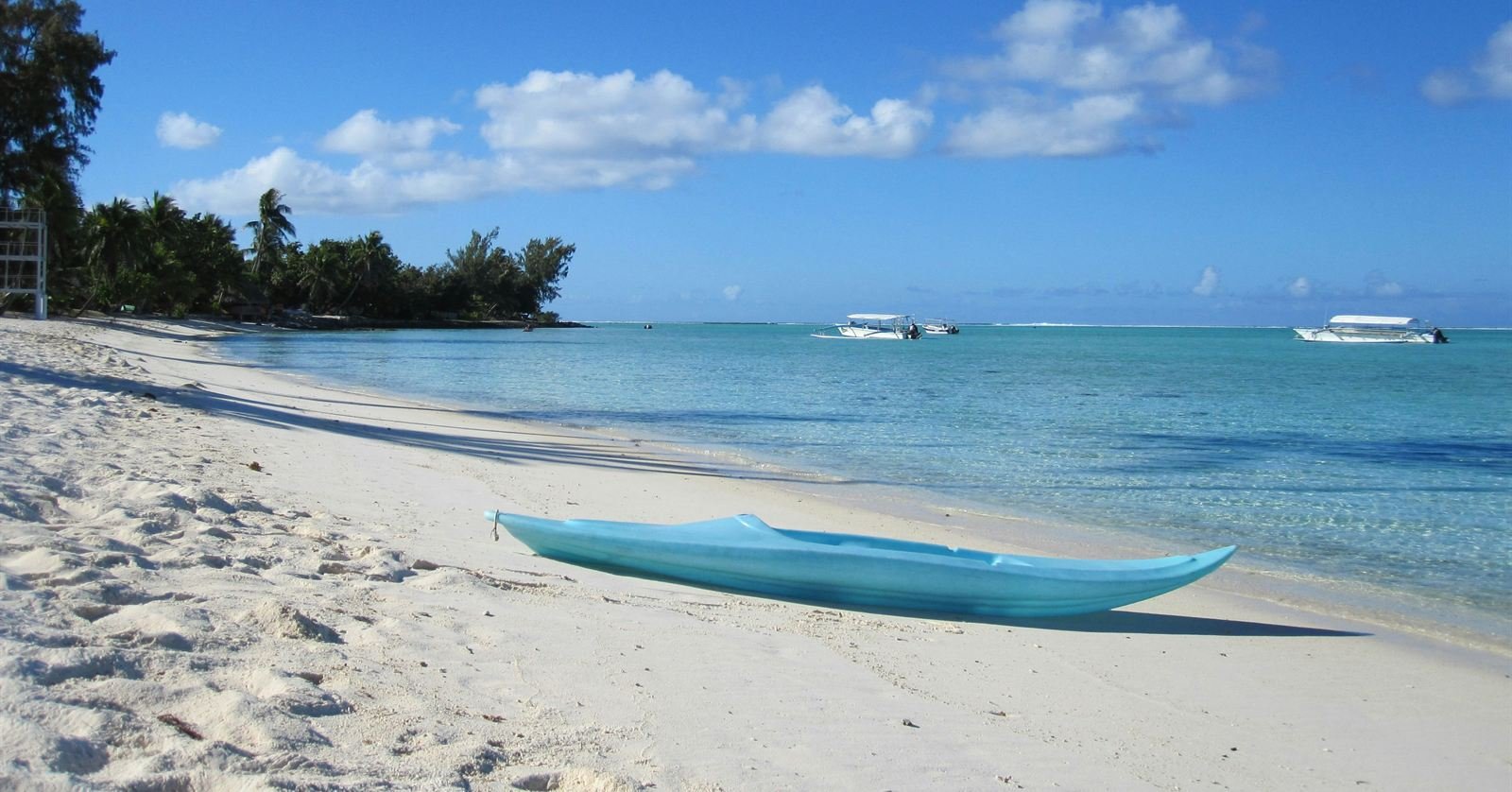
The island sells one image so effectively that most visitors buy the image and skip the island.
Spend six days on the water and one day on the road around the mountain, and you will have done something more interesting than the photograph.
Join