Destination · French Polynesia
French Polynesia
You do not choose the order of the islands. The airline does.
Inter-island flights in French Polynesia are effectively a single domestic network, and the multi-island passes that make it affordable come with a condition most visitors discover too late: the itinerary has to run as a geographic arc. No doubling back. You cannot go Tahiti–Bora Bora–Rangiroa–Moorea because it zigzags, and the booking engine will simply refuse to price it as a pass.
So the trip is not designed the way people design trips. You do not pick four islands you like and put them in order. You pick a line across the map and take what falls on it.
Smart Summary
- The pass requires a geographic arc. Any backtracking invalidates it and you pay single fares instead — a difference of hundreds of euros.
- Book the inter-island flights months ahead, and directly with the airline rather than through an agency.
- Do not fly to Moorea. It is twenty kilometres from Tahiti and the ferry takes well under an hour for the price of a lunch.
- Tahiti is not the postcard. The postcard is Bora Bora and Moorea. Tahiti is a real island with a working capital, traffic, and a mountainous interior almost nobody walks into.
- Everything arrives and departs through Papeete. Faaa airport is the hinge of the entire trip, and island-hopping without passing back through it is often impossible.
Understanding the map before the marketing
French Polynesia is not an island. It is a scatter of archipelagos spread across an area comparable to Western Europe, and treating it as a single destination is the first and most expensive mistake.
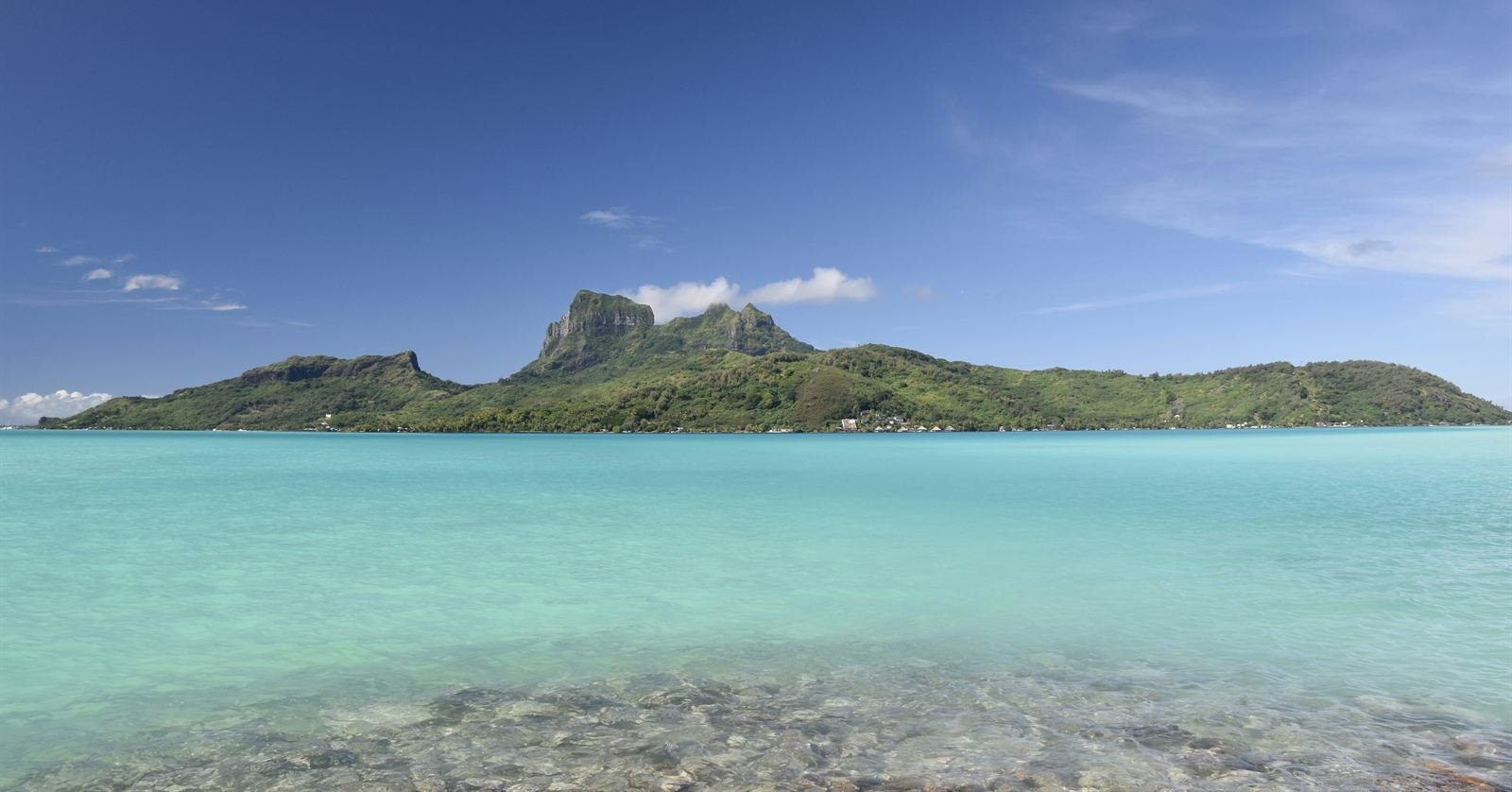
The Society Islands — Tahiti, Moorea, Bora Bora, Raiatea, Taha’a, Huahine, Maupiti — are the ones you have seen. High volcanic islands ringed by lagoons, close together, well served. This is where a first trip goes and there is no shame in that.
The Tuamotus — Rangiroa, Fakarava, Tikehau — are atolls. No mountains, a ring of coral around a lagoon, and diving that people cross the world for.
The Marquesas are something else entirely: vertical, green, almost lagoon-less, culturally distinct, and hard to reach. They are the trip you take on a second visit, or the trip you take instead of the first if the postcard was never the point.
The Australs and the Gambiers are remote enough that including them changes the shape and cost of everything.
A two-week trip realistically covers three islands, four at a push. Anyone selling you six is selling you airports.
The islands, and what each is actually for
Tahiti is the arrival, and most itineraries give it one night before moving on. That is a defensible choice and also a slightly lazy one — the island has a mountainous interior, black sand on the east coast, and a market in Papeete that is the best single introduction to the territory you will get. Two days, not one.
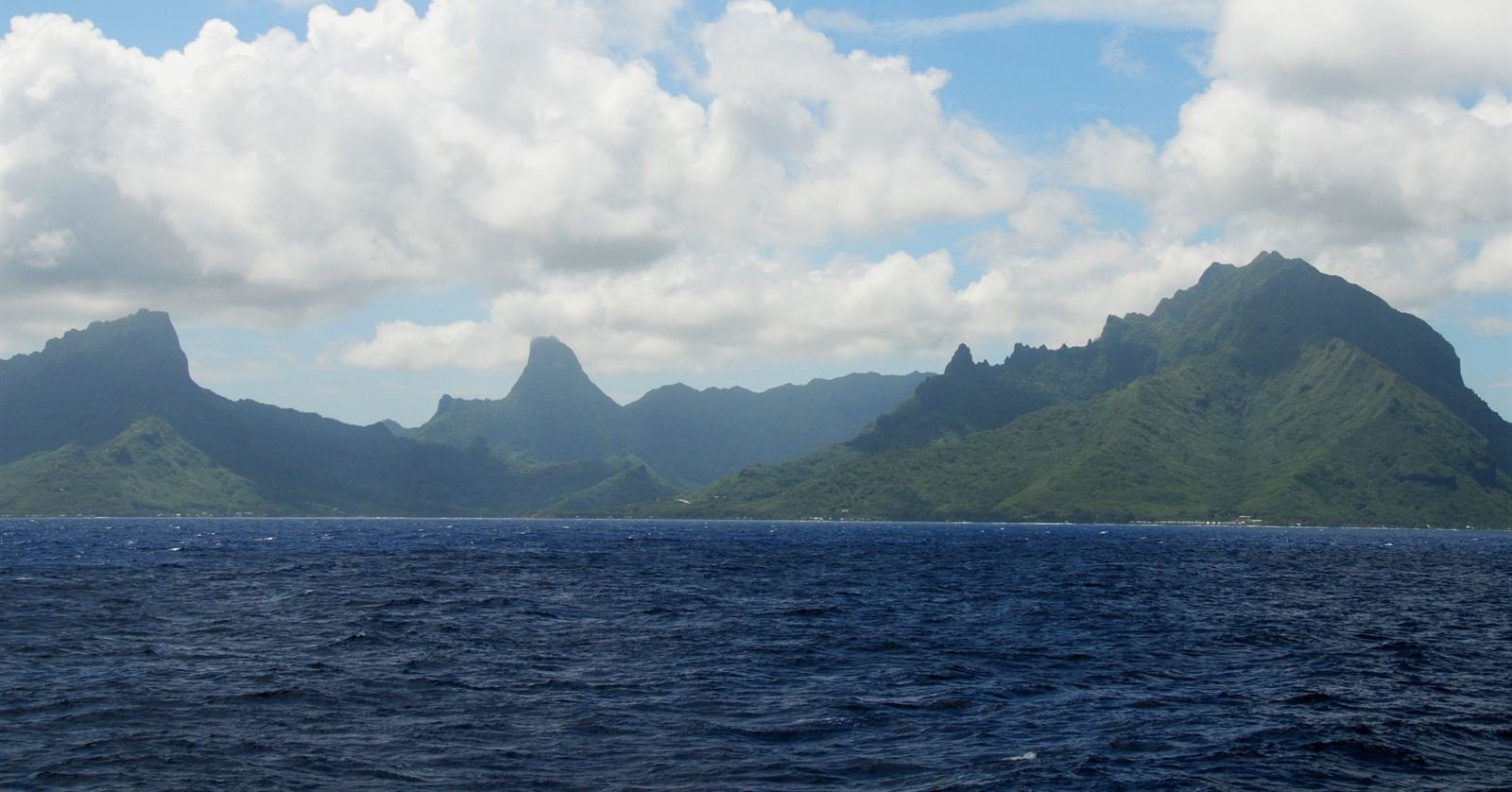
Moorea is thirty minutes by ferry and is where a great many people wish they had spent longer. Mountains, a lagoon, and enough road to explore properly.
Bora Bora is the luxury proposition — the overwater bungalow, the resort lagoon, room rates that match its fame. It delivers precisely what it advertises. Whether it is the best island in the territory is a different question, and the answer is not obviously yes.
Raiatea and Taha’a share a lagoon and get skipped, which is why they are worth stopping in.
Rangiroa or Fakarava, if diving matters at all. If it does not, an atoll may read as flat and empty after the Society Islands.
Where the pieces are
Tahiti, and the Four O’Clock Market The island everyone transits through in one night. The Sunday market opens at four in the morning and is finished by nine, and it is the best thing on the island.
Moorea, and the Last Boat Thirty minutes from the capital by ferry, and a commuter island as much as a paradise. Why the day trip is the wrong shape, and why we would take four nights here over two on Bora Bora.
Bora Bora, and the Island You Don’t Stay On Most people who spend a week here never set foot on the main island. Motu or main island is the choice that determines everything, and it is usually made by accident.
Fakarava, North or South The atoll is sixty kilometres long and the famous dive is at the far end from the airport. Pick an end and stay at it.
Taha’a, the Island Without an Airport No runway, a lagoon shared with Raiatea, three quarters of the territory’s vanilla, and a current between two sandbars that carries you over coral for nothing. The island everyone passes on the way to Bora Bora.
Raiatea, Where It Started The paramount marae of eastern Polynesia, listed by UNESCO in 2017, on an island most visitors treat as an airport. Free, unenclosed, and an hour well spent.
The Marquesas, Where the Lagoon Stops No reef, no lagoon, no overwater anything. Cliffs into open ocean, stone figures in the forest, and a UNESCO listing carried by the islanders themselves. Its own trip, not an extension of this one.
Which Island: Bora Bora, Moorea, Taha’a, Tahiti or Fakarava The five islands side by side, and which one fits which trip.
When to go
May to October is the dry season and the reason most people go then. Less humidity, more reliable sun, and the peak rates that follow.
November to April is the wet season, and it is not a washout — rain in the tropics tends to arrive hard and leave. Prices soften. The trade-off is genuine humidity and a real cyclone risk at the far end of the range.
Book far ahead regardless. This is a destination where the good properties and the workable flight combinations fill many months out, and where arriving with an unbooked plan costs more than it does anywhere in Europe.
What we would skip
The six-island fortnight. Every island change costs a half-day minimum — checkout, transfer, airport, flight, transfer, check-in — and four changes in fourteen days means four days spent moving. Three islands, longer stays.
Flying to Moorea. Covered above and worth repeating because people still do it.
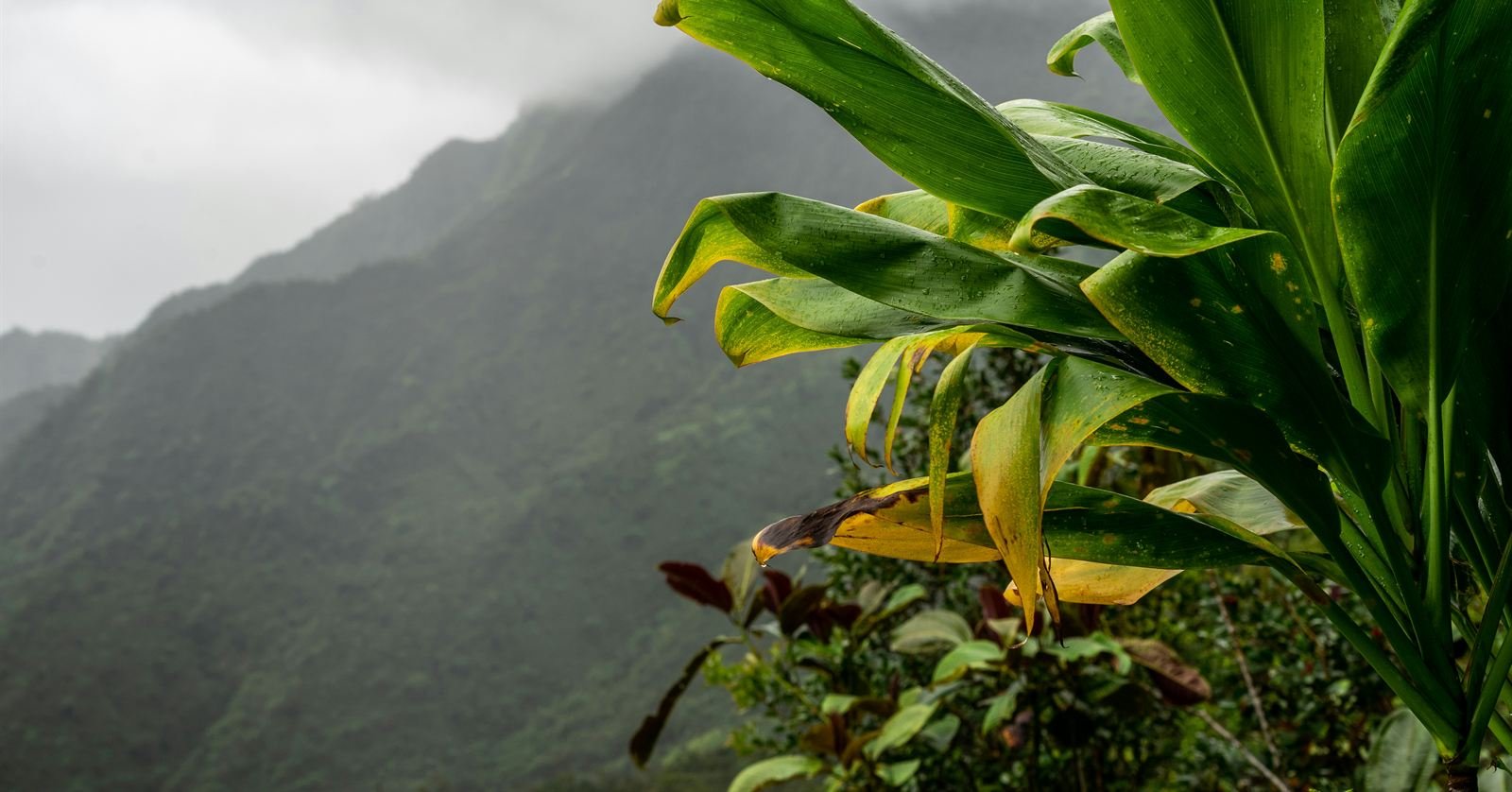
The trip that works is the one that accepts the geography. A line across the map, three islands on it, and enough nights on each that you unpack.
The trip that disappoints is the one that treats the territory as a checklist and spends a fortnight in airports at the most beautiful latitude on earth.
Moorea photograph: Reef entrance to Cook’s Bay, Moorea, Tahiti – panoramio by David Broad, CC BY 3.0, cropped and resized.
