French Polynesia · Practical
The Marquesas, Where the Lagoon Stops
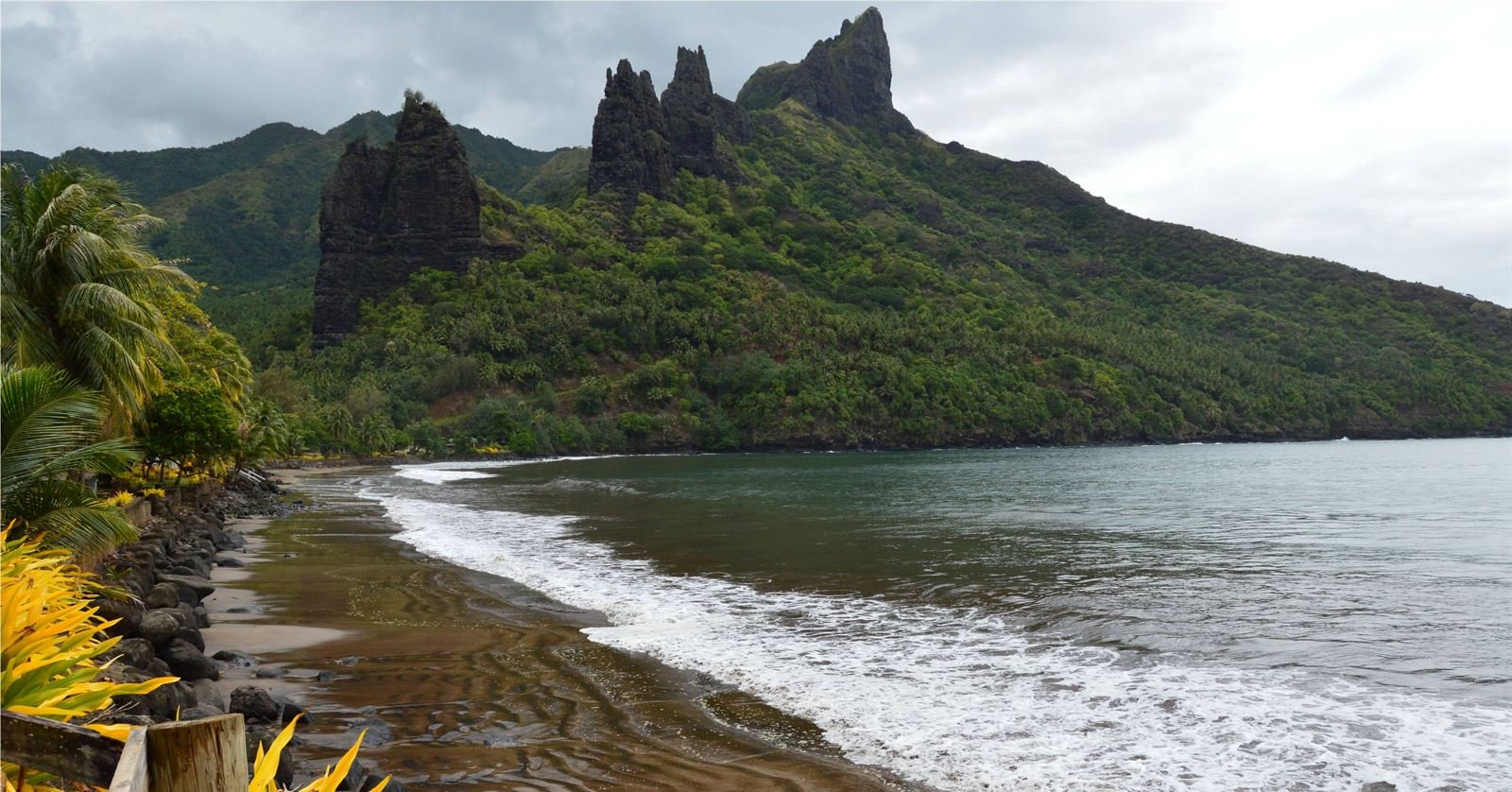
There is no lagoon. No barrier reef, no turquoise shallows, no motu, no overwater bungalow. The cliffs go straight into open Pacific and the swell arrives from three thousand kilometres away with nothing to slow it down.
Everything that makes French Polynesia recognisable in a photograph is absent here, and that is the reason to come.
Smart Summary
- No reef, no lagoon. Vertical islands in open ocean. Swimming is not the activity; walking, riding and looking are.
- Inscribed on the UNESCO World Heritage List in 2024 as a mixed cultural and natural property — one of the rare listings recognised for both at once, across five criteria.
- Twelve main high islands, six inhabited. Among the most isolated island groups on earth relative to any continent.
- This is the archipelago’s moment of change. The listing followed more than thirty years of campaigning by Marquesans themselves, and the visitor economy will not stay as it is.
- Getting here is the constraint. Long flights, limited frequency, and a multi-island pass that is effectively obligatory. Plan around the air schedule, not around the islands.
What the absence of a reef does
An island with a barrier reef gets a lagoon, calm water, a beach and a soft edge. An island without one gets cliffs, black stone, deep water at the shore and a coastline that is genuinely hostile to landing.
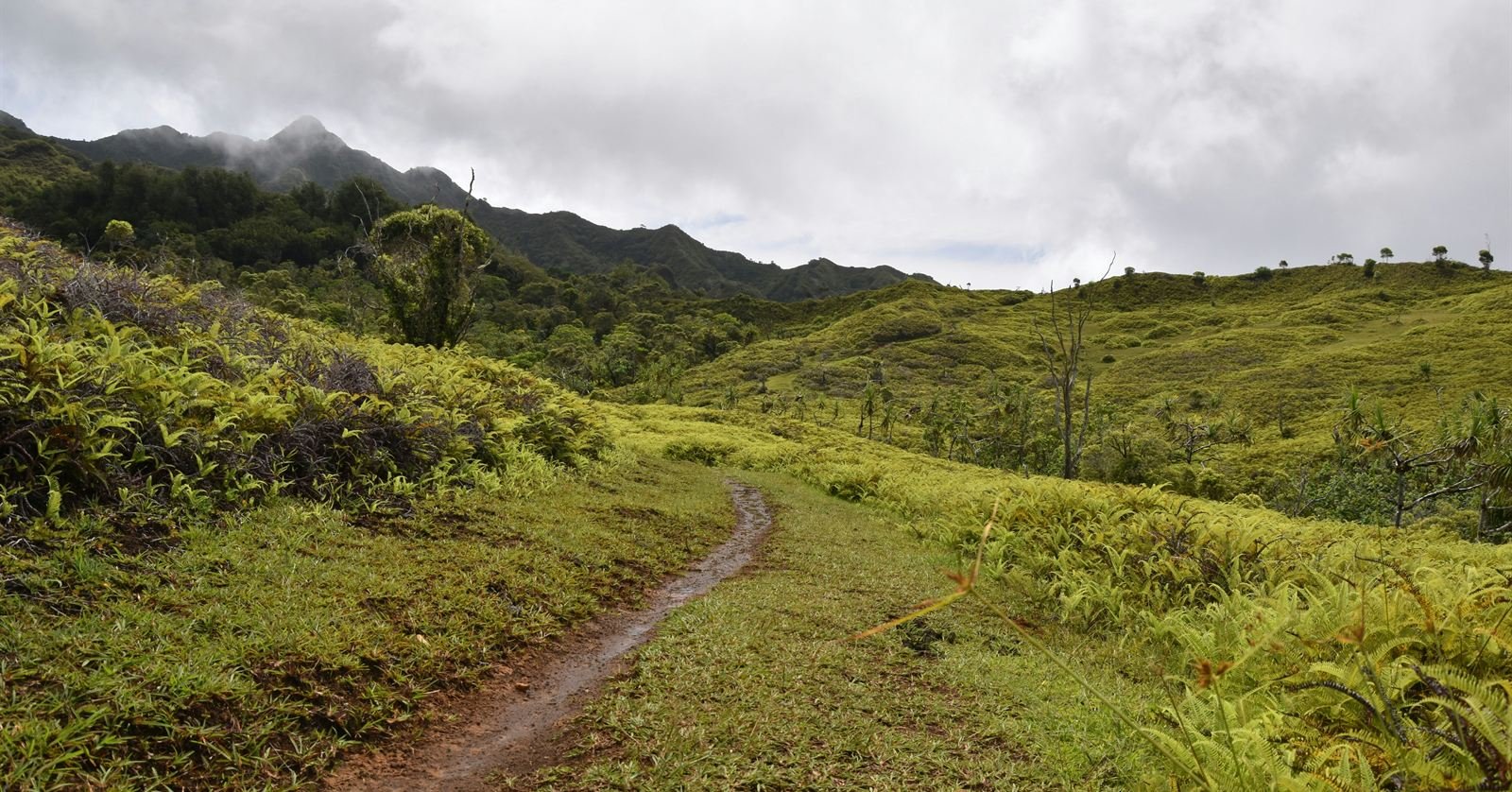
The Marquesas never developed a reef, and the consequence runs through everything. There is no sheltered water to build a resort on. The bays are deep and dramatic rather than pretty. The interior is vertical — ridges, spires, valleys that hold their own weather — and it is where people live and where you go.
Horses are still working transport in places. Some valleys are more easily reached by boat than by road. The archipelago receives a small fraction of the visitors the Society Islands do, and the reason is not obscurity, it is topography.
The listing, and why it matters now
In 2024, the World Heritage Committee inscribed Te Henua Enata — the Marquesas Islands as a mixed property, recognised for both cultural and natural value across five criteria. The property covers around 345,000 hectares and includes both terrestrial and marine ecosystems, which is unusual — very few mixed sites in the world do both.
The citation names the archipelago as a stronghold for Pacific biodiversity, with one of the most diverse assemblages of seabirds in the South Pacific, and as the record of a thousand-year relationship between a people and an extremely difficult landscape.
Two things about that are worth knowing before you go.
The listing was carried by Marquesans, over more than three decades, with the six island mayors — the hakaiki — at the centre of it. It is not a designation that happened to a place. It is one a community pursued.
And it will change the islands. More recognition, more interest, more arrivals, and a management framework being built to handle it. What the Marquesas are now is not what they will be in ten years. That is not a reason to rush; it is a reason to be a good visitor.
What is actually here
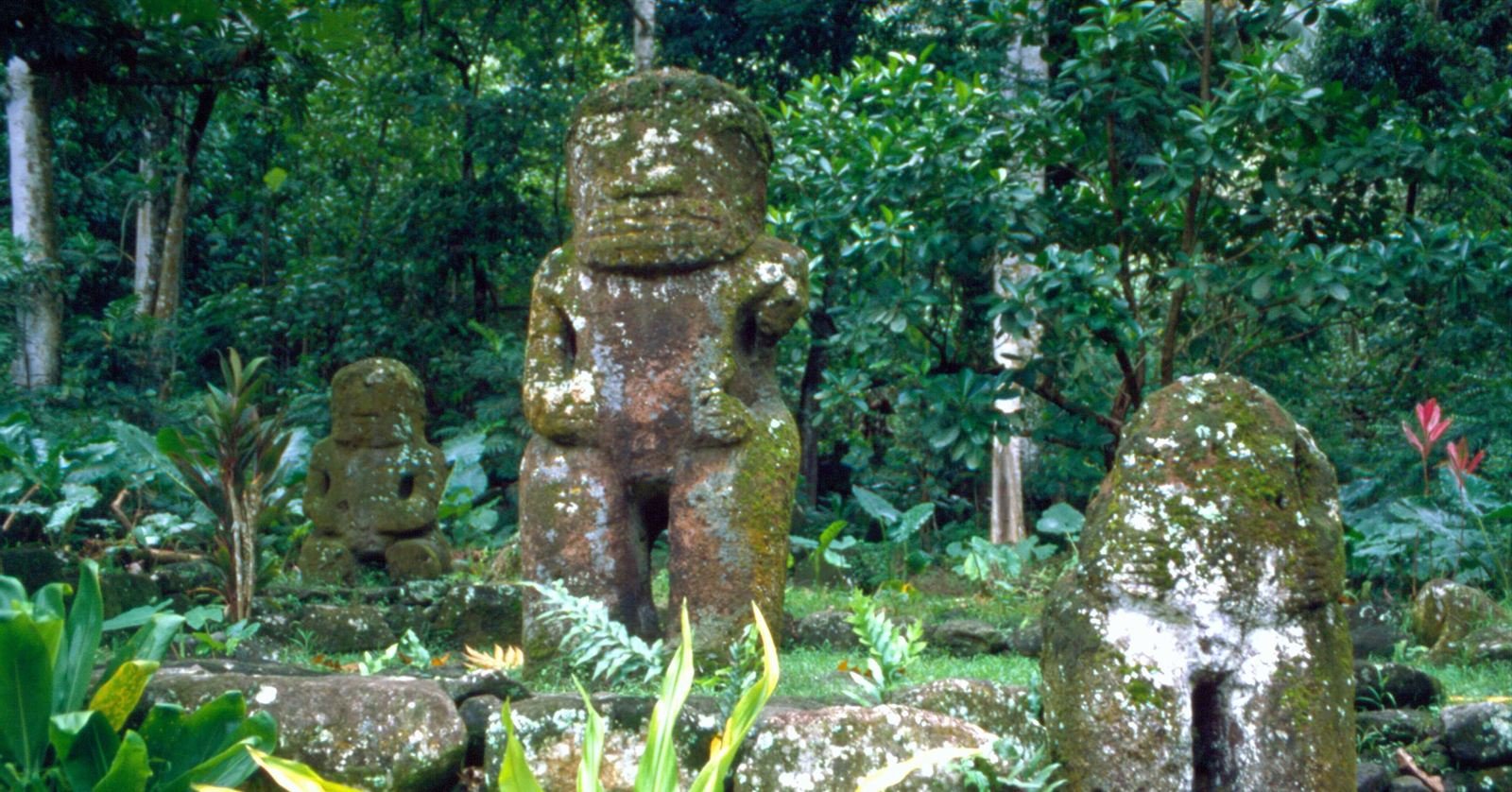
Stone. Tiki and paepae — carved figures and stone platforms — are distributed across the islands in the valleys and the forest, some cleared and interpreted, many not. The Marquesan carving tradition is distinct from the rest of Polynesia and it is the thing museums in Europe hold and rarely explain.
Carving and tattoo, alive. Not revived for visitors. These are working traditions in a place where the language and the practices survived a catastrophic population collapse after European contact and came back.
The Matavaa, the Marquesan arts festival, which moves between islands and brings the whole archipelago together for several days of performance. If your dates can be built around one, do that — but confirm the schedule directly, because it does not run every year and the host island changes.
Walking and riding. The interior is the destination. Guided is the sensible default, both for route-finding and because a great deal of what you would want to see sits on land with owners and history attached.
Which islands
Nuku Hiva is the usual entry point, with deep bays and a modest range of places to stay.
Hiva Oa is the other main arrival, smaller, with archaeological sites across the island and the graves of two well-known Europeans who came here to die.
Ua Pou, Ua Huka, Tahuata, Fatu Hiva are progressively harder to reach, quieter, and more rewarding for it. Fatu Hiva in particular is reached by sea rather than air.
Two islands in ten days is a sensible target. One island for a week is a better trip than four islands in ten days, and the transport will enforce that view whether or not you accept it.
Getting there, and the freighter
Flights run from Tahiti and take several hours. Frequencies are limited, fares to the archipelago are high bought singly, and the multi-island pass covering the Marquesas is effectively obligatory rather than optional. Book it months out and build the itinerary around what the schedule permits.
There is also a supply ship that works the archipelago from Papeete on a long circuit, carrying freight and a limited number of passengers. It is a fortnight, it is not a cruise, and it is the way a certain kind of traveller has always seen these islands. If that appeals, it is a completely different holiday from anything else in this cluster.
When to go
The Marquesas sit closer to the equator than the rest of French Polynesia and are warmer and more humid year-round, with a less pronounced dry season. Roughly August to November is the drier, more reliable window.
Rain matters more here than elsewhere because the roads are mountainous and unsealed in places, and because the walking is the point.
What we would skip
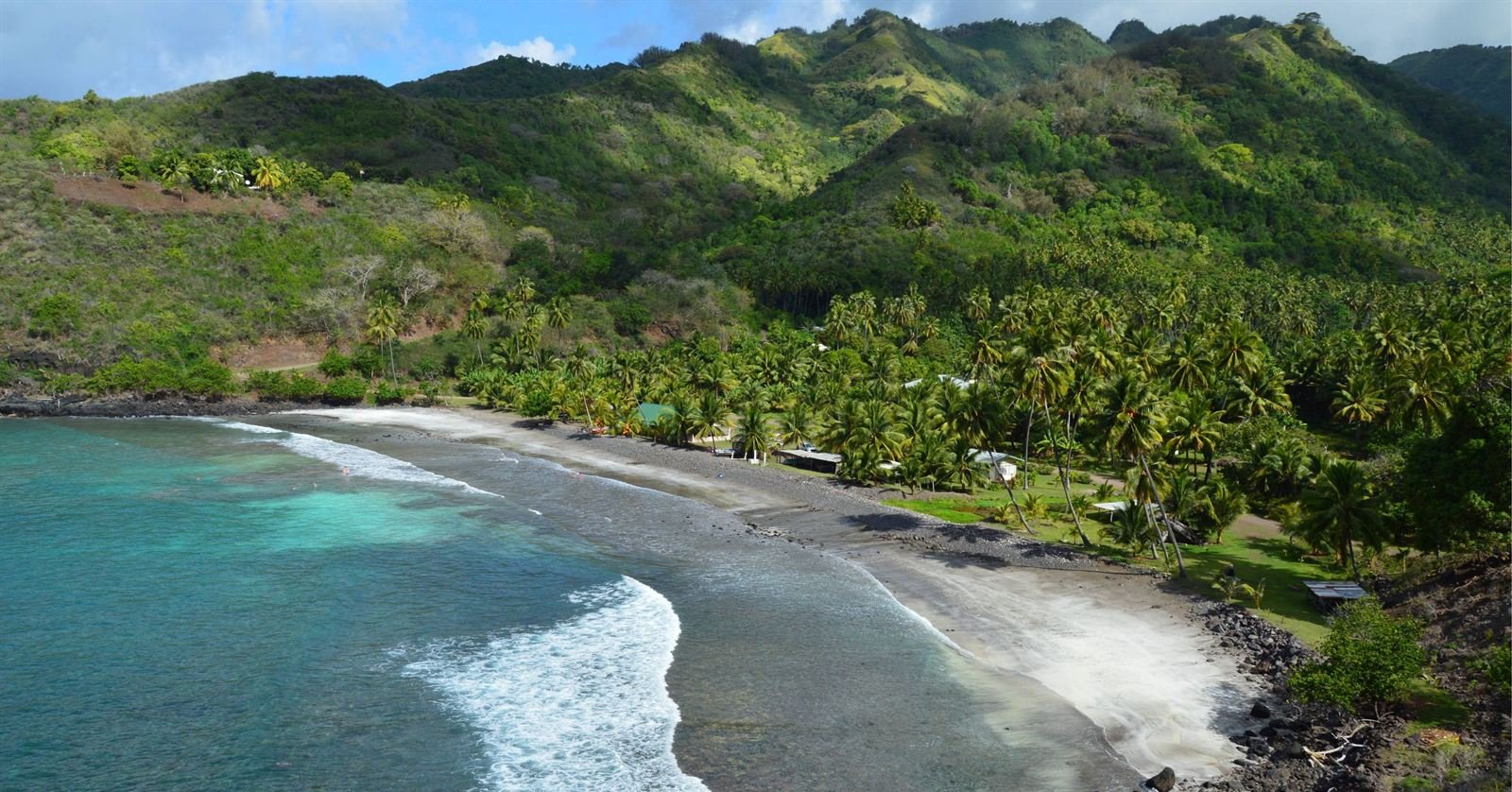
Coming for a beach. Repeatedly said and repeatedly ignored. This is not that archipelago.
Adding the Marquesas to a Society Islands fortnight. The distance, cost and air schedule mean it does not bolt on. It is its own trip, and treating it as an extension produces a rushed, expensive version of both.
Twelve high islands in open ocean, no reef to soften them, stone figures in the forest, and a community that spent thirty years persuading the world its home was worth protecting.
Everything the brochures sell about French Polynesia is somewhere else. So is everything they leave out.
Tiki photograph: Tikimarquesas by American at de.wikipedia, CC BY-SA 3.0, cropped and resized; this modified version is released under the same licence.

Join