French Polynesia · Practical
Taha’a, the Island Without an Airport
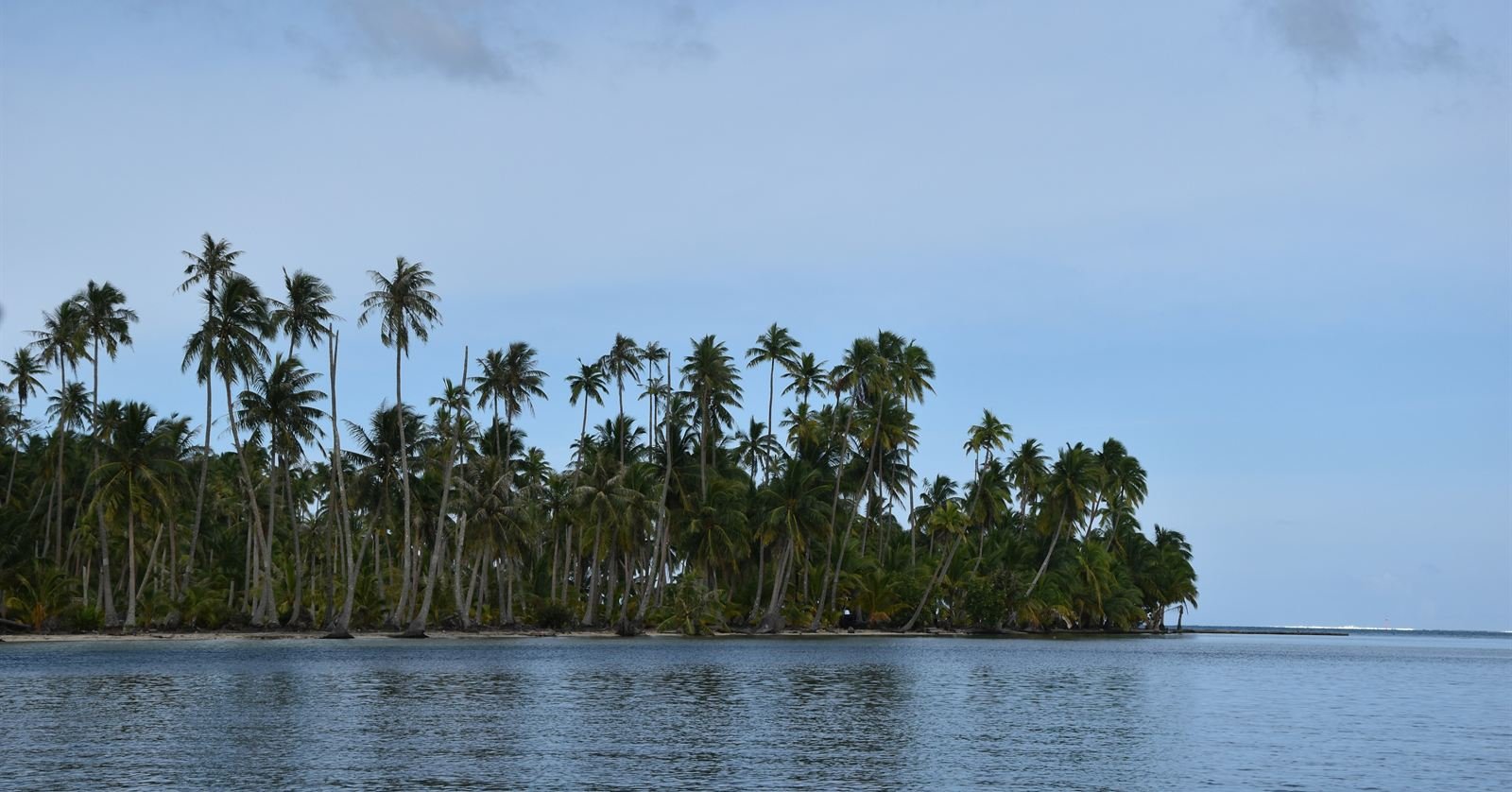
Taha’a has no airport. You land on Raiatea, the island next door, and cross by boat — about half an hour.
That single fact does most of the work here. It filters the traffic, it keeps the cruise excursions at arm’s length, and it means the island has never developed the density of anything. There is no Vaitape equivalent, no strip of hotels, no road busy enough to be worth complaining about.
It also means Taha’a is the island most itineraries skip, which is the entire argument for going.
Smart Summary
- No airport. Fly to Raiatea, then a boat. Every transfer is by water and it needs arranging in advance, not on arrival.
- Taha’a and Raiatea share one lagoon, inside a single barrier reef. They are two islands in one body of water, which is unusual and worth understanding before you book either.
- This is the vanilla island. Plantations, drying houses, and the smell of the crop in the villages — a story told on land, in an archipelago that mostly sells lagoon.
- The coral garden is a drift snorkel between two motu, carried by the current. It is the single best free thing in the Society Islands.
- Accommodation splits hard: one luxury property on a private motu, and a scattering of family guesthouses on the main island. Very little in between.
The shared lagoon
Taha’a and Raiatea sit inside the same barrier reef. One lagoon, two islands, and a ring of motu on the reef itself.
Practically, that means you can move between them by boat without going out into open ocean, which is why this is the sailing and charter centre of French Polynesia. It also means the two islands are best understood as a pair rather than as alternatives, and a week split between them is a coherent trip in a way that splitting a week between, say, Bora Bora and Moorea is not.
Raiatea has the airport, the port, the town and Taputapuātea, the marae complex listed by UNESCO as a World Heritage site. Taha’a has the vanilla, the quieter roads and the better lagoon frontage.
If you are choosing one to sleep on: Raiatea for logistics and culture, Taha’a for everything else.
Vanilla, which is the reason to leave the water
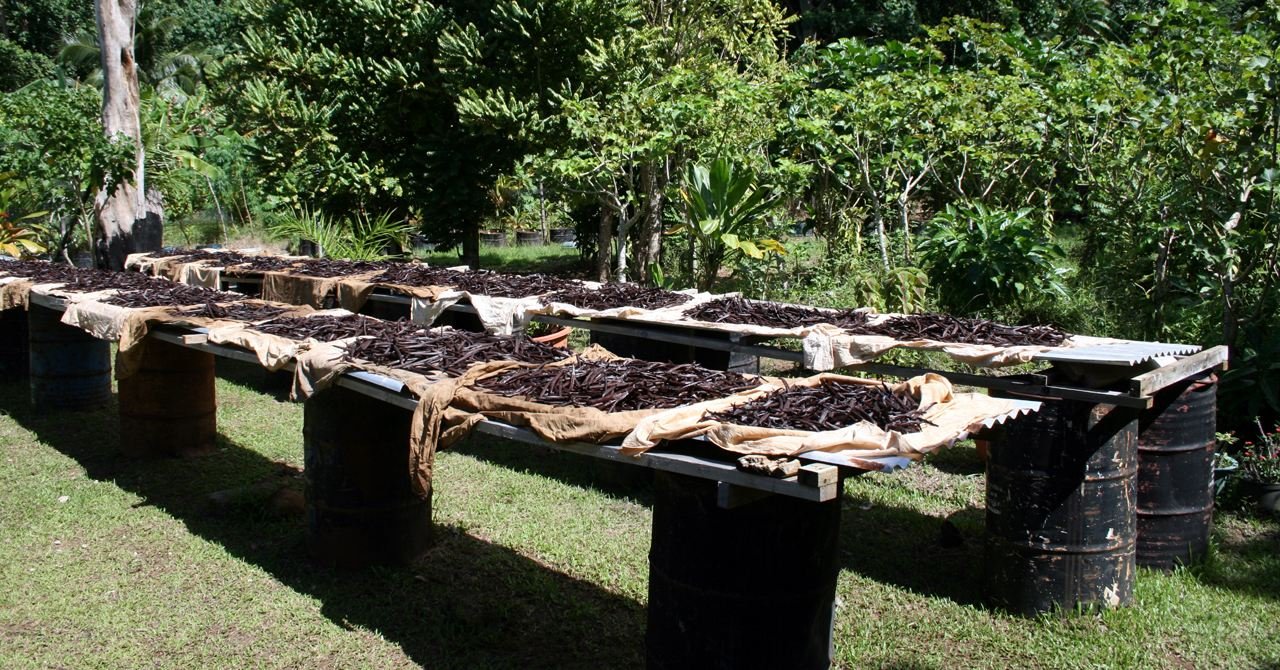
Something like three quarters of French Polynesia’s vanilla is grown here, and the island is called the vanilla island for that reason rather than for marketing purposes.
The plantations are small, family-run, and open to visitors in a low-key way that does not resemble a tour. Tahitian vanilla is a distinct species from the Madagascar bourbon variety most people know — fatter pods, a different and more floral aroma — and every flower is pollinated by hand, one at a time, because the insect that would do the job naturally does not live here.
Watching someone do that, in a shade house, with a small stick, at the speed of somebody who has done it ten thousand times, is more interesting than it sounds.
The island also has black pearl farms, and the same rule applies: they are working operations, they will show you the grafting, and the sales pressure is lower than at any pearl counter in Papeete.
The coral garden
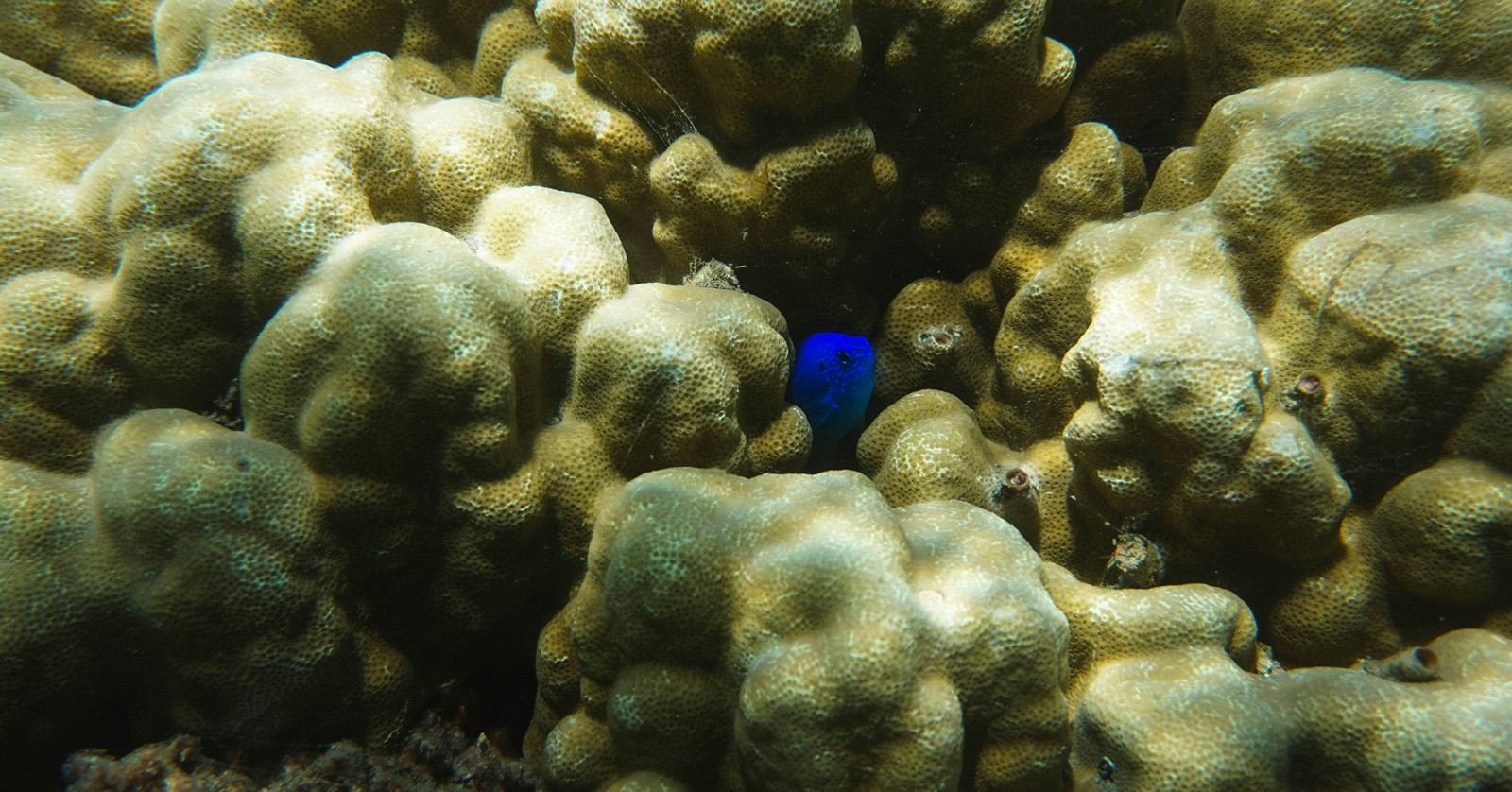
Between two motu on the western reef, the current runs from the ocean side into the lagoon through a shallow channel over coral heads. You get in at the top, you stop swimming, and the water takes you through.
It is roughly waist-to-chest deep in places, close enough to the coral that you have to be conscious of your fins, and dense with fish. It costs nothing if you are staying somewhere with access, and it is included in essentially every lagoon tour if you are not.
Go early. Tour boats arrive through the morning, and fifteen people entering the channel at once empties it of fish and stirs the bottom. The same drift at eight in the morning and at eleven are not the same experience.
Where to stay, and the gap in the middle
Booking through these links, or booking direct with a property we have an arrangement with, may earn Sharp Voyage a commission, at no extra cost to you. It does not change what we recommend. How this works.
Taha’a has an unusually polarised inventory.
At the top, one property occupies a private motu on the reef — overwater bungalows, a Relais & Châteaux membership, and direct access to the coral garden from its own beach. It prices accordingly.
At the other end, family guesthouses on the main island, at a fraction of that, where you eat with the family and someone’s cousin runs the boat.
There is very little between the two, and that is worth knowing before you start searching. You are choosing a mode, not comparing prices along a spectrum.
Both are on the water. Only one of them puts you on the island itself, among the people who live there — which, given that the vanilla and the villages are the reason to prefer Taha’a over Bora Bora, is a real consideration rather than a budget one.
That is the shape from a distance. Up close there is a middle, and it is the most interesting part of the island.
Le Taha’a by Pearl Resorts is the property at the top, on its own motu on the reef, with the coral garden off its beach. Fifty-nine suites and villas, two of them royal villas, and it presents itself as the first Relais & Châteaux in French Polynesia.
Then three small places on their own islets, each of which would be the whole conversation on another island. Vahine Private Island has nine bungalows, three in each category, plus a royal villa — an entire motu run at the scale of a large guesthouse. Eden Private Island (formerly La Pirogue Api), on Motu Moute, has five: four facing the sunset, one the sunrise. Fare Pea Iti, also five, in five different types, and its own site promises the best rate to guests who book with the house directly. Eden takes direct bookings too: quote SHARPVOYAGE in your request so they know you found them here.
On the main island itself, Pension Anahata is the guesthouse we would point you to, and the one that keeps a working website and takes bookings directly. Its largest bungalow, Tapuamu, is its only one adapted for reduced mobility. It has its own kitchen because the restaurant deck, which is raised, is not accessible: the room is adapted, the dining is not.
So the real choice on Taha’a is not luxury against guesthouse. It is whether you sleep on a motu, with a boat between you and the island, or on the island, with the vanilla and the villages outside the door. The five above split cleanly along that line, and the second option is the one that fits the argument of this piece.
One thing to expect on your bill. A local accommodation tax is collected by the property on top of the rate, and French Polynesia is changing how it works: each commune sets its own scale, and the new system applies to stays from 1 January 2027. Any figure we printed today would be wrong by the time you travel, so we are not printing one — ask the property what it will be for your dates.
How it fits a trip
Taha’a works as three or four nights inside a Society Islands run, and it pairs naturally with Raiatea because of the shared lagoon and the shared airport.
The strongest version we can see: Raiatea and Taha’a instead of Bora Bora, for someone who has done the overwater thing before or who never wanted it. Same archipelago, same water, a fraction of the traffic, and something to do on land.
The second strongest: Taha’a as the two nights before Bora Bora, which puts the quiet island first and the famous one last, rather than the other way round. Doing it in that order makes Bora Bora feel like an event. Doing it the other way makes Taha’a feel like a wind-down, which undersells it.
When to go
May to October for the dry season, as everywhere in the territory.
Vanilla is worked year-round, but pollination happens in the local spring and the pods are dried across several months afterwards — so what you see in a plantation depends on when you come. If the crop is the reason you are going, ask before you book rather than after.
What we would skip
The day trip from Bora Bora or Raiatea. You will see the coral garden at the busiest hour and a vanilla plantation in twenty minutes, and you will conclude that Taha’a is a half-day island. It is not. It is a three-night island that day trips have taught people to treat as a stop.
An island with no airport, three quarters of a territory’s vanilla crop, and a current between two sandbars that carries you over coral for free.
Everyone passes it on the way to Bora Bora.
Vanilla photograph: Raiatea – Sechage vanille (1) by Remi Jouan, CC BY-SA 3.0, cropped and resized; this modified version is released under the same licence.

Join