Stockholm · Culture & Design
What Stockholm Actually Means by Good Design
A friend who moved to Stockholm from London a few years ago told us it took her almost a year to understand why every apartment she viewed felt slightly wrong, even the expensive ones — until she realised she kept comparing them to a British idea of luxury: more furniture, more finish, more visible cost. Stockholm doesn’t work that way, and once you notice it, you notice it everywhere.
The word everyone uses wrong
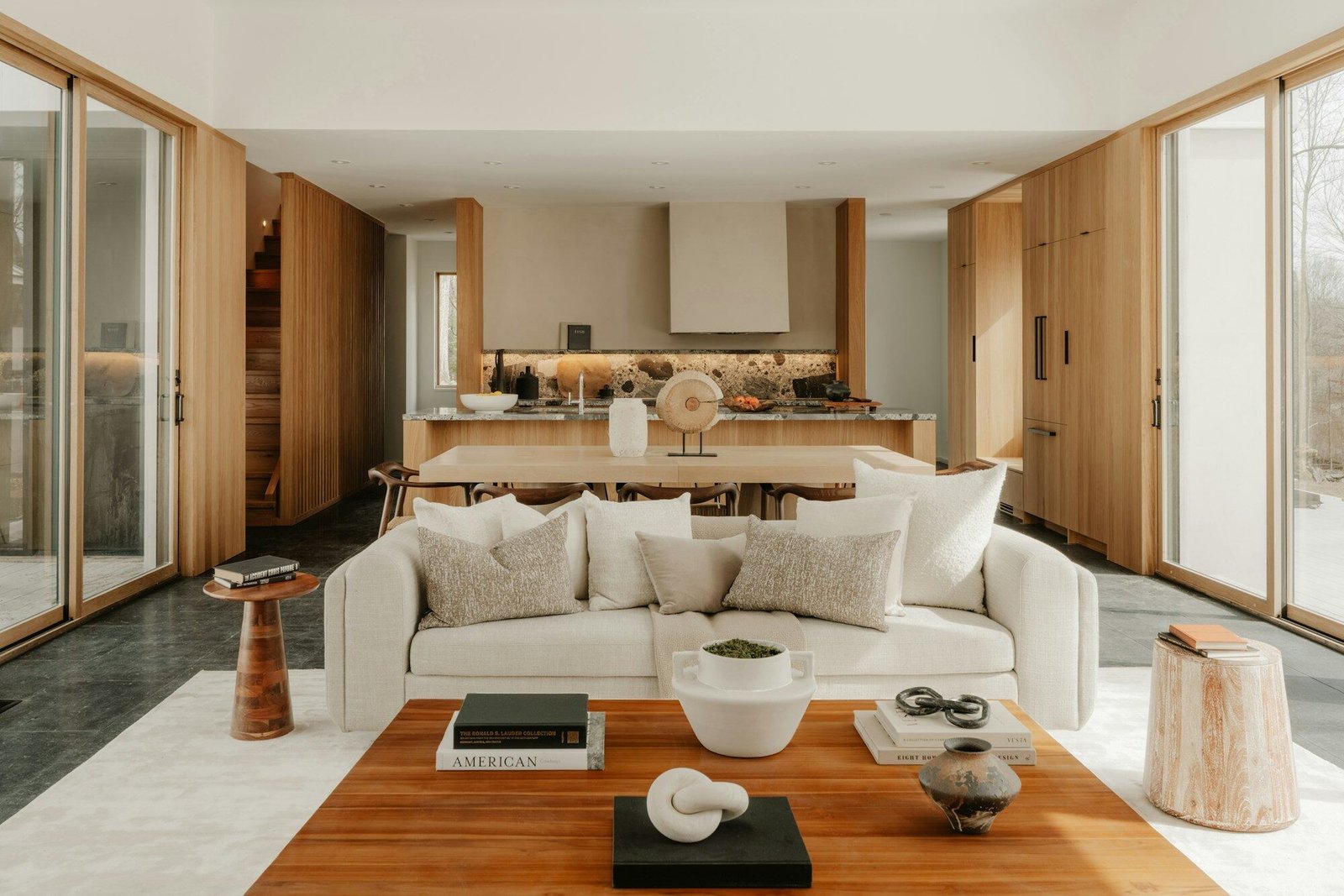
Lagom gets translated in every guidebook as “just the right amount,” which is technically correct and almost useless as an explanation. It’s less a design principle than a social one that happens to show up in design — the same instinct that makes a Swede uncomfortable with ostentation at a dinner party is the instinct that keeps a Stockholm apartment from having a single piece of furniture that’s trying too hard.
You feel this most clearly in the older apartments around Östermalm and Vasastan — high ceilings, herringbone floors, and often surprisingly little in them. Not empty in a minimalist-Instagram way. Empty in a “we didn’t need to fill it” way, which is a different thing entirely — the same principle a good Lofoten rorbu runs on, just with fish nets instead of Marimekko.
Where to actually see it, rather than read about it
Svenskt Tenn on Strandvägen is the obvious stop, and it’s obvious for a reason — the store opened in 1924 and has been selling Josef Frank’s textile designs since he joined it a decade later, and the pieces still look like nothing else being made today. Go upstairs to the fabric archive if the staff will let you; it’s less a shop floor and more a working library of pattern.
Artipelag, out on the water past the city, is a harder trip — you’ll want a car or a longer boat ride than the archipelago day-trip allows — but the building itself, low and timber-clad against the rock, makes the case for Swedish architecture better than any museum in the centre.
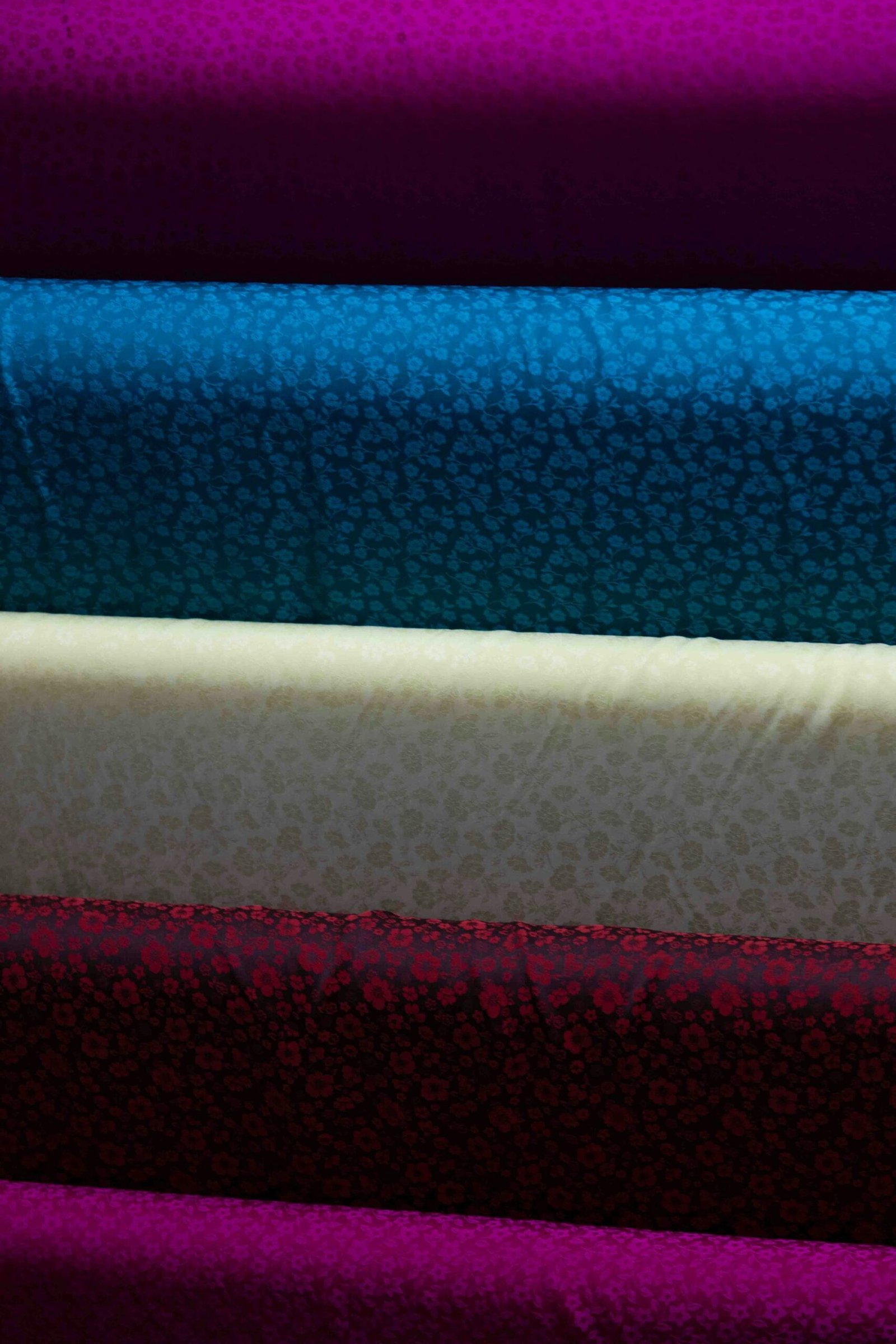
For furniture rather than fabric, Nordiska Galleriet on Nybrogatan carries both the historic pieces (original Bruno Mathsson chairs turn up here) and the current generation of Swedish designers who are, depending who you ask, either continuing the tradition properly or coasting on its reputation. Worth forming your own opinion.
The part nobody puts in the brochure
Stockholm’s design reputation is genuinely earned, but it’s also become a kind of shorthand that gets applied a little too liberally — every hotel lobby with a Marimekko cushion gets called “Scandi,” which flattens something that’s actually quite specific and quite disciplined into a decorating style. The real thing is less about the objects and more about what’s left out.
Ett Hem, where we usually put people up, is a decent shortcut to understanding this in practice — it’s furnished with real, sometimes worn pieces rather than a showroom’s idea of taste, and it looks better for it. Nothing there is precious about being touched — it’s the first stop in how we’d actually spend a Stockholm weekend.
If you only have an afternoon
Skip the big museums and walk Djursholm instead, the residential suburb about twenty minutes north by train, where the early-20th-century villas were built by the same generation of architects who set the template everyone’s still working from. Nobody organises tours of it. You just walk — the same instinct that makes a June evening by the water worth more than another museum.
Join