Amsterdam · Culture & Design
What Amsterdam Hides Behind Its Front Windows
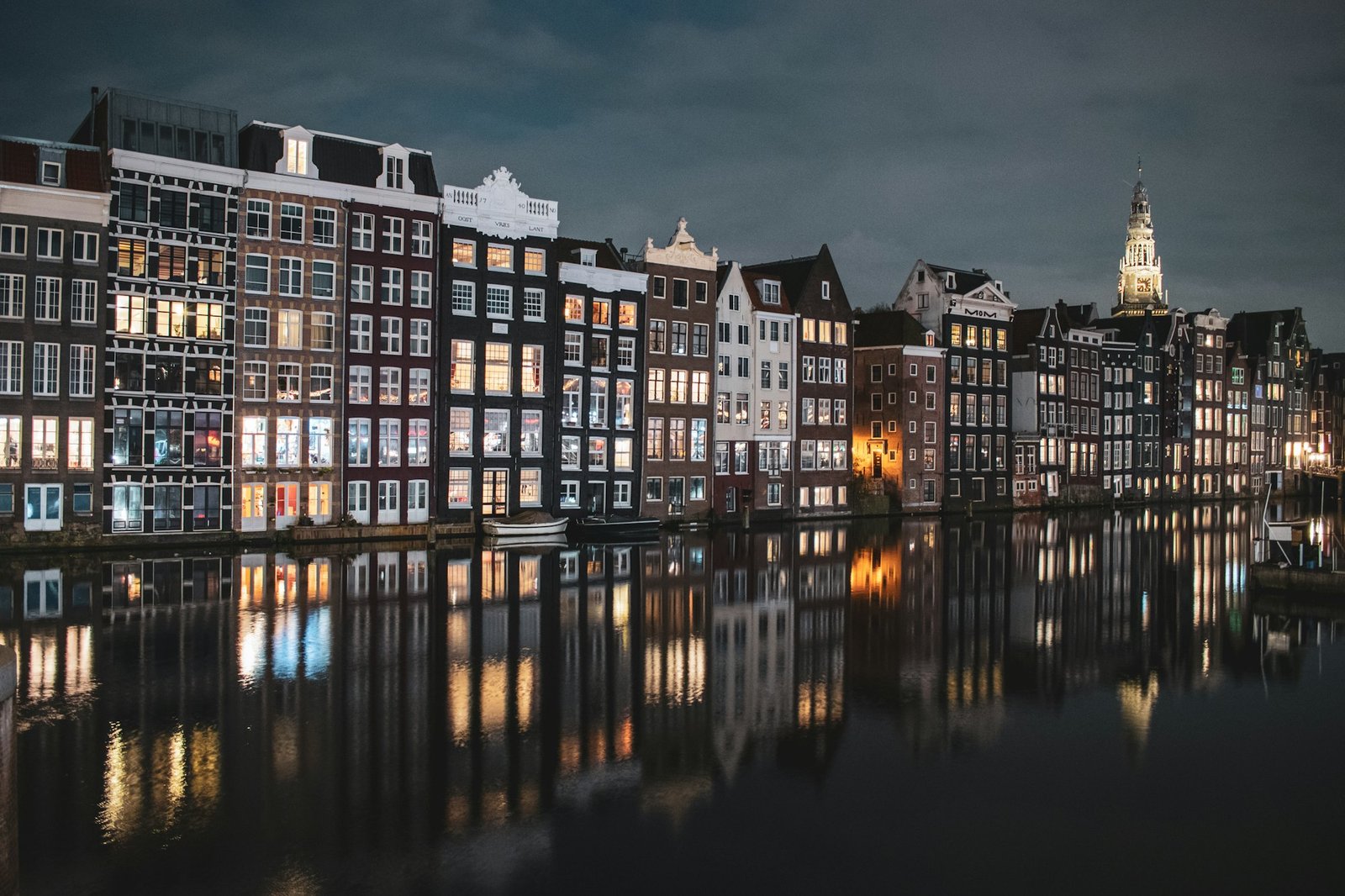
There’s a rule in Amsterdam that nobody enforces and everybody follows: curtains stay open. Walk the canal belt after dark and you can see straight into front rooms — a piano, a bookshelf, someone’s actual life — and it took us an embarrassingly long visit to realise this isn’t carelessness. It’s a kind of civic honesty left over from Calvinist tradition: nothing to hide, so nothing hidden. Whether anyone still believes the original reasoning is beside the point. The habit outlived the belief, which is true of a lot of things here.
A city built by merchants, still run like one
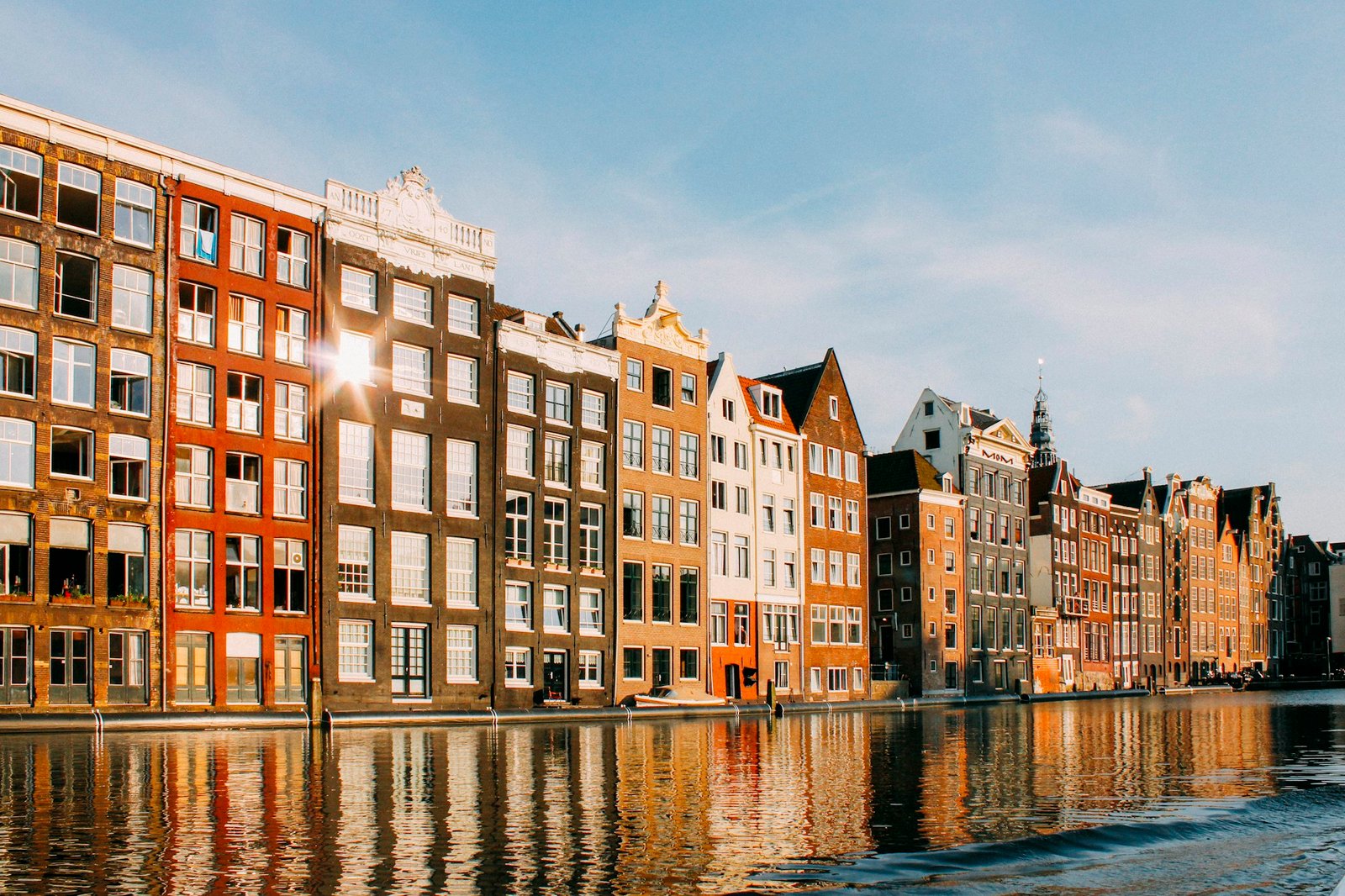
Amsterdam’s Golden Age wealth — the canal ring, the narrow tall houses, the whole 17th-century urban plan — was merchant money, not royal money, and the difference still shapes how the city presents itself. There’s no grand palace at the centre the way there is in most European capitals. Instead there are hundreds of individually built, individually financed houses, each one a small statement of a trading family’s success, deliberately narrow because the city taxed by frontage width.
You notice this most clearly on Herengracht, the widest and grandest of the canal ring streets, where the houses get taller and more ornamented the further you walk — a fairly literal record of who was getting richer and when.
The gable is the signature
Every Amsterdam canal house has one, and once you start noticing the different shapes — spout gables, neck gables, bell gables, the ornate stepped ones from the 17th century — you start dating buildings by eye without meaning to. Not a formal skill, just something that happens to you after a few days of walking with your head tilted up.
Design here isn’t Scandinavian, whatever the algorithm tells you
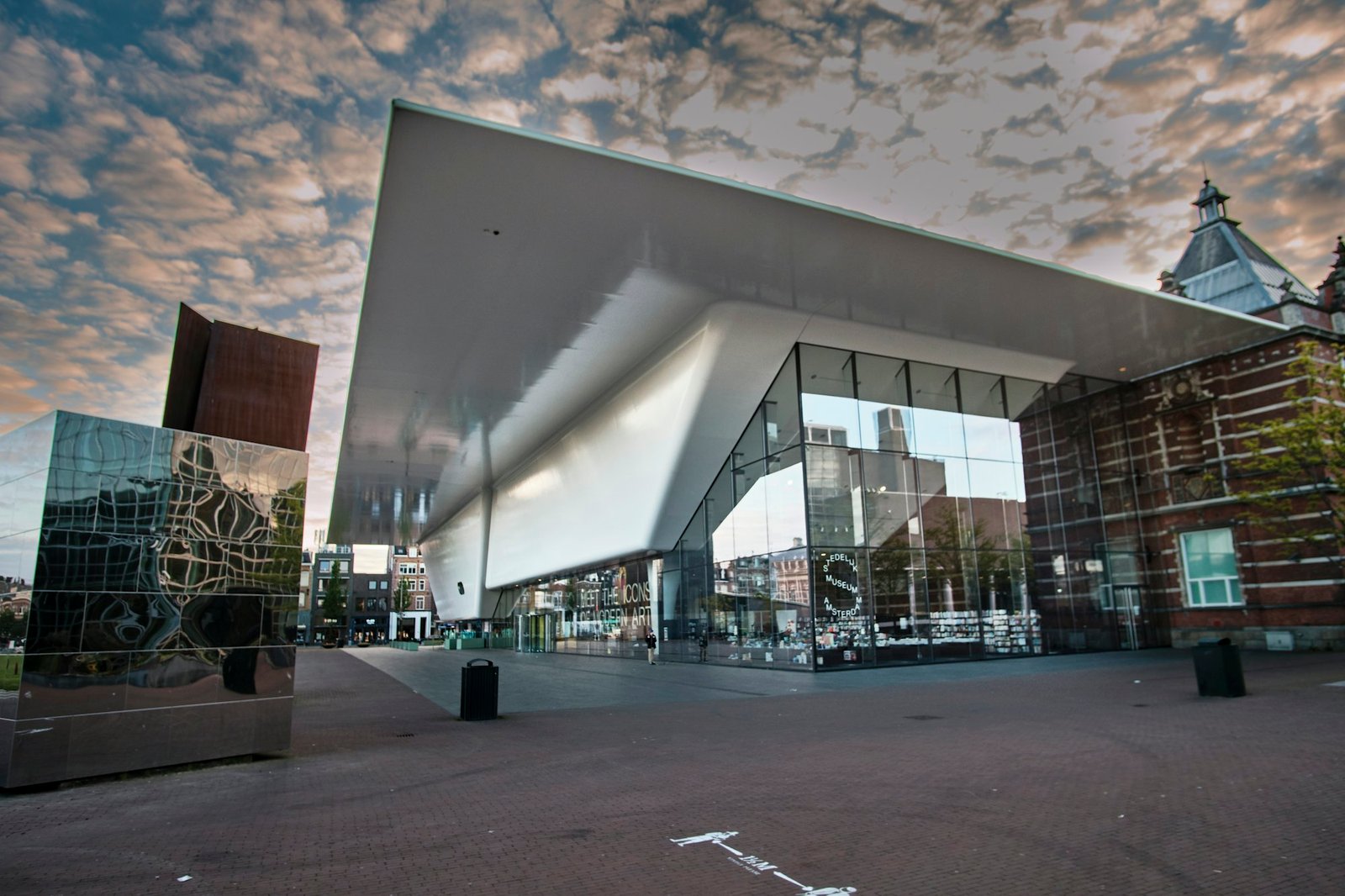
Amsterdam gets lumped into “Nordic minimalism” content constantly, and it’s not that — Dutch design has its own, older, more eccentric lineage. Gerrit Rietveld’s furniture, still genuinely startling in person at the Stedelijk Museum, is closer to structural sculpture than anything you’d call cosy. Droog Design, which came out of Amsterdam in the 1990s, built a whole movement on conceptual wit rather than restraint — chairs made from bound-together salvaged furniture, that kind of thing.
If you want the domestic version of this — how actual Amsterdammers live rather than how museums frame it — walk Jordaan in the early evening and look up. Tall windows, deliberately mismatched furniture collected over decades rather than bought as a set, plants everywhere. Nothing coordinated. Everything considered.
The bicycle is not a lifestyle choice, it’s infrastructure
It’s worth saying plainly, because visitors romanticise it: the bike culture here isn’t about wellness or aesthetics, it’s the fastest way to move through a city built before cars existed and never fully retrofitted for them. There are more bicycles than people in Amsterdam. Locals ride the way New Yorkers walk — fast, purposeful, mildly irritated by anyone in the bike lane who doesn’t understand the rules.
Don’t rent one unless you’re confident. This is the one piece of advice in this whole piece we’d insist on.
The part that takes longer to see
Amsterdam’s museums tell the Golden Age story well. What they’re more careful about is the other half of that wealth — the VOC, the colonial trade routes, the history the canal houses were partly built on. The Rijksmuseum has, in recent years, started addressing this more directly in its own galleries, which is worth knowing before you go if you want the fuller version of the city rather than only the postcard one.
This isn’t a detour from the design and architecture story. It’s part of it — the same merchant wealth that produced the gables produced the ships, and both are still visible if you know where to look.
Join