Lofoten · Itinerary
Lofoten, Four Days, Not Much of a Plan
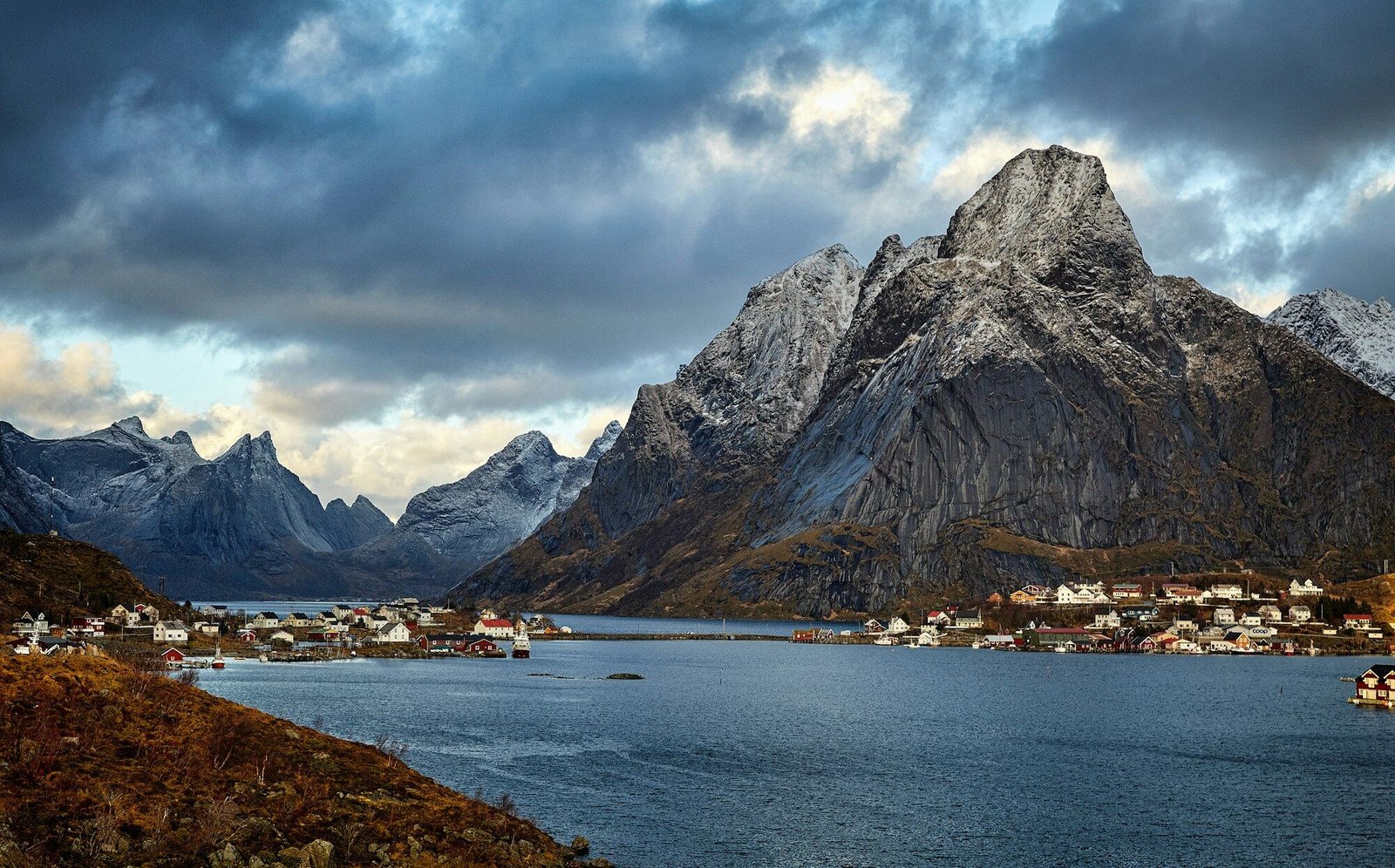
The Lofoten Islands are hard to get to on purpose, and that’s most of the point. There’s no direct route that isn’t at least two flights and a drive, or a flight and a long ferry, and by the time you’re actually standing on one of the beaches watching the light do something no light does anywhere else we’ve been, the difficulty of getting there stops mattering and starts feeling like it was necessary.
This isn’t a full guide. It’s four days, three bases, and a fair amount of nothing built in on purpose — because the islands don’t really reward a packed schedule. The weather changes the plan for you often enough that you learn, fairly quickly, not to make one that can’t bend.
Day one: Svolvær, and getting your bearings wrong on purpose
Most people fly into Svolvær or Leknes, and Svolvær, the larger of the two, is worth a night even though it’s not really what you came for. It’s a working fishing town first and a tourist stop second, which shows in small ways — the harbour still smells like an actual harbour, not a curated one.
Stay somewhere on the water if you can. The light here in summer barely leaves — properly light past midnight from late May through July — and a room that faces the fjord means you’ll end up awake at 1am watching it anyway, which is not a complaint.
Days two and three: Reine, and the case for staying somewhere small
Drive down to Reine — about two hours south along the E10, a road that will make you stop the car more times than is efficient, purely to look at things. Reine itself is barely a village, a scatter of red fishing cabins (rorbuer, originally built for fishermen, now mostly rented to people like us) on a spit of land between two peaks that seem too steep to be real.
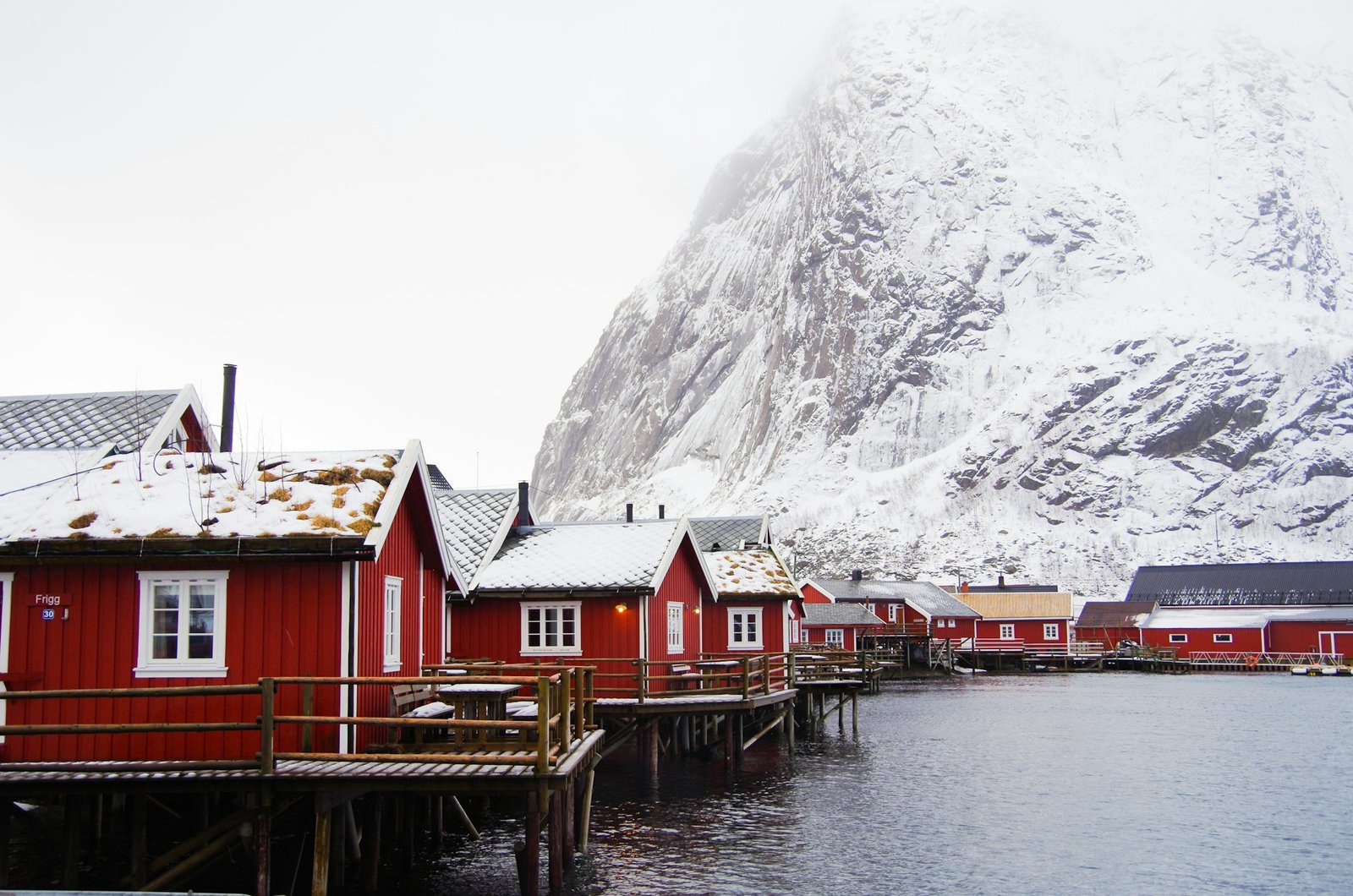
Stay in one of the rorbuer if you can find one that’s been properly renovated rather than just repainted — there’s a real difference, and it’s worth asking about before you book. Two nights here is the minimum that makes the trip out worthwhile; one night means you arrive, adjust, and leave before you’ve actually settled into the place. Ask what it was originally built for, too — the fishing economy that built every rorbu on this coast is still very much alive, just not in the room you’re sleeping in.
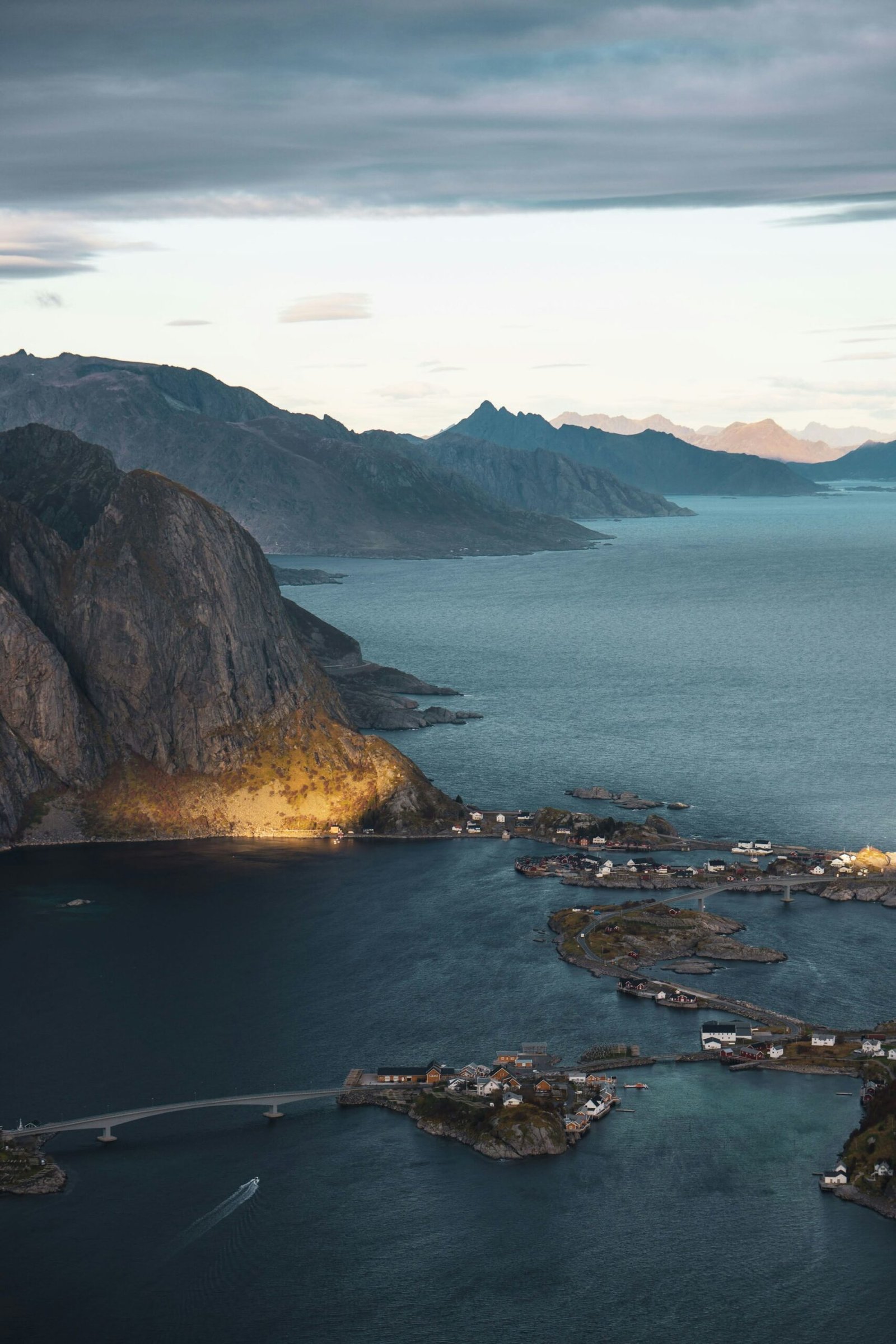
The hike up Reinebringen is the one thing on this itinerary we’d call essential rather than optional, on the days it’s open. It’s steep — a proper stone staircase most of the way now, which has made it far more manageable than it used to be, and also far busier — but the view from the top, the whole fjord and the peaks around Reine laid out at once, is the single image most people mean when they picture Lofoten without having been.
Go early. Not for the light, though the light helps — go early because the trail gets genuinely crowded by mid-morning in July, and the whole appeal of this place is quiet.
Check it’s open before you build a day around it. Visit Lofoten publishes the season as May to September, calls the hike strictly not recommended in winter, and notes that the stairway has been closed at times for work on the steps. That status is worth a look the week you travel, not the month you book.
Day four: Å, and the end of the road, literally
The E10 ends at a village called Å — pronounced roughly “oh,” which the locals find less funny than visitors do — and there’s something satisfying about a road trip that has an actual, physical endpoint rather than just stopping when you decide to turn around. It’s a preserved fishing village now, small enough to see properly in an hour, with two separate museums that visitors routinely take for one: the Lofoten Stockfish Museum and the Norwegian Fishing Village Museum. The first sounds like it shouldn’t be interesting and somehow is.
What we’d tell you honestly
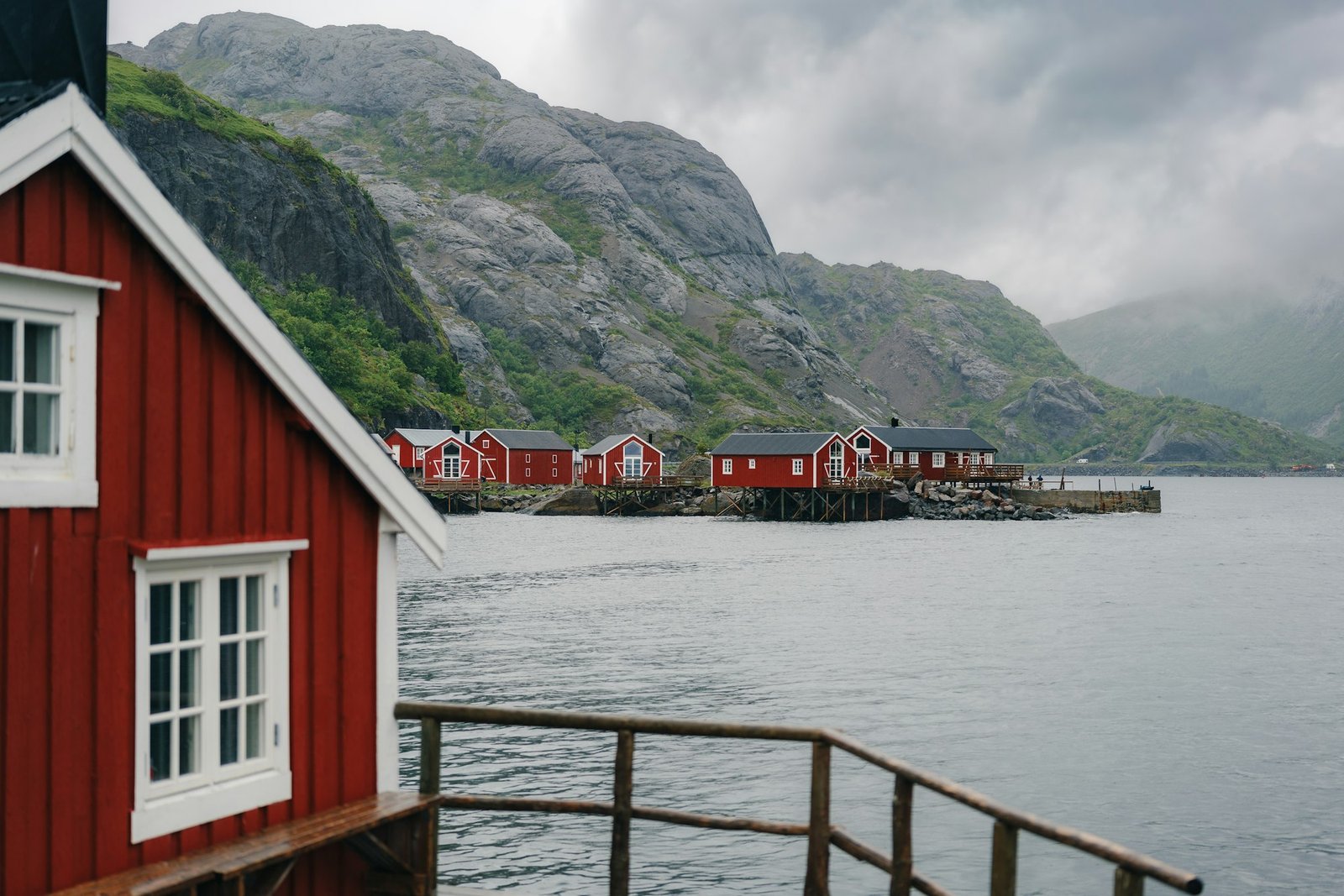
The weather here doesn’t cooperate on a schedule, and any itinerary that promises you clear skies and calm water for four consecutive days is not being straight with you. Build in slack. If day two turns out grey and closed-in, that’s often when the islands look their best anyway — moodier, less postcard, more like the place actually is most of the time. Come back in winter and it’s a different game entirely — waiting out the aurora rather than chasing a fjord view.
This is also, frankly, not a trip to improvise entirely on arrival. Car rentals, rorbuer availability and the weather windows for Reinebringen all narrow fast in peak season — book the car first, the cabin second, and leave the hike undated.
Join