Lofoten · Sensory
Waiting for the Lights, Lofoten
Nobody warns you that most of the waiting is just standing outside in the cold doing nothing, and that the nothing is most of the experience.
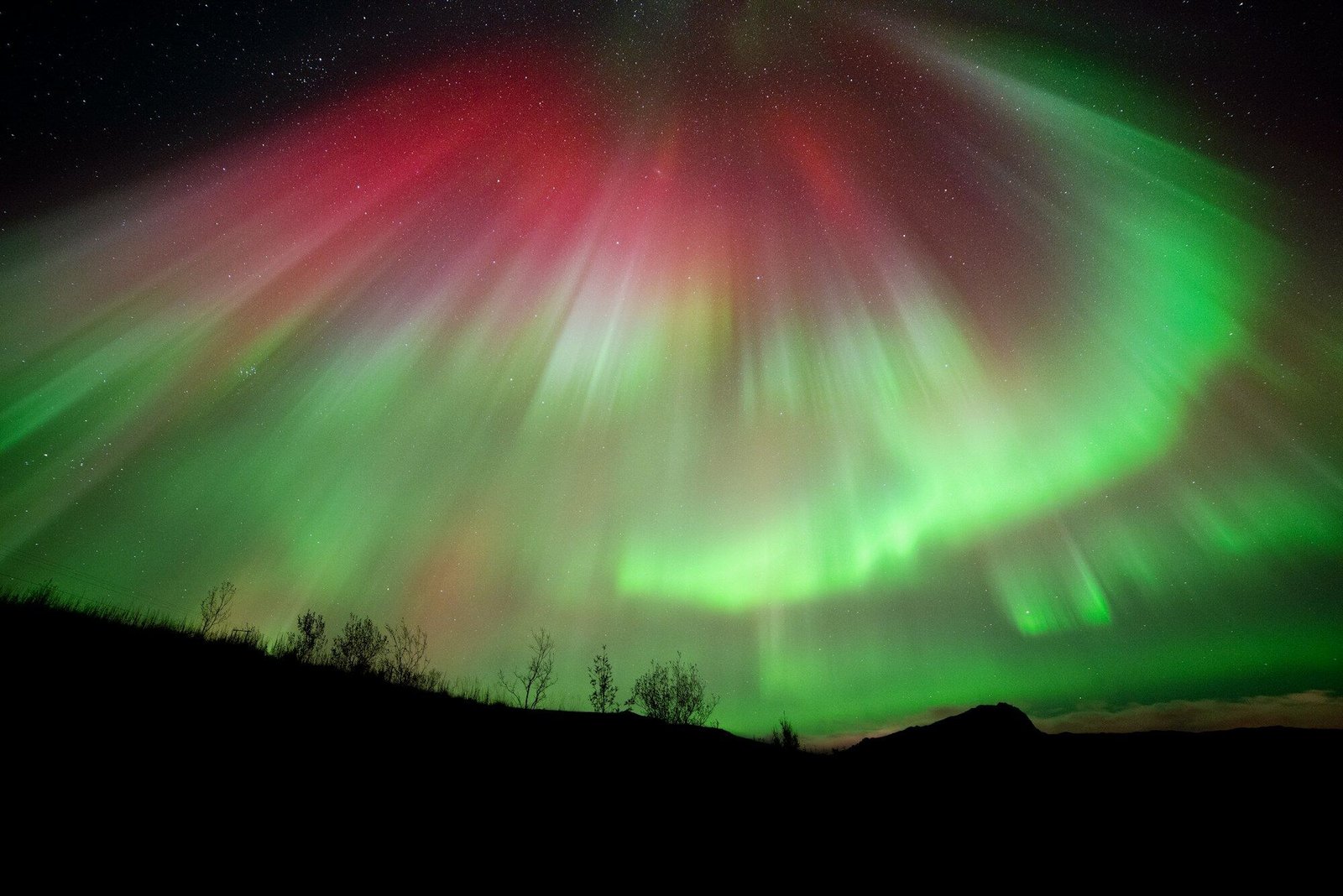
We’d been outside for almost two hours the first time, on the beach at Uttakleiv, before anything happened. Cold enough that conversation had stopped being worth the effort of talking through a scarf. Then a pale green smear appeared low on the horizon, so faint that for a full minute we weren’t sure if it was real or a trick of the eyes adjusting to the dark. It was real. Twenty minutes later it wasn’t a smear anymore, it was moving — actually moving, folding over itself in a way photographs never quite capture, green shifting to something closer to violet at the edges, directly over the peaks.
The waiting is not incidental
Aurora forecasts help — the KP index, cloud cover, moon phase, all the things every guide tells you to check — but Lofoten’s own geography adds a layer nobody mentions enough. The mountains that make the daytime views extraordinary also block huge sections of sky, which means the difference between a good viewing spot and a mediocre one often comes down to finding somewhere with a genuinely open horizon, not just somewhere pretty.
Uttakleiv and Haukland, the two beaches on the northern side of Vestvågøy, work partly because they face open water with nothing blocking the northern sky. They’re also, unhelpfully, the two beaches every other visitor with the same forecast app has found too. Go anyway. Space yourself down the shoreline and the crowd stops mattering. Both are a manageable detour from the Reine leg of a longer trip rather than a destination requiring their own base.
What it actually feels like, which is not what the photographs show
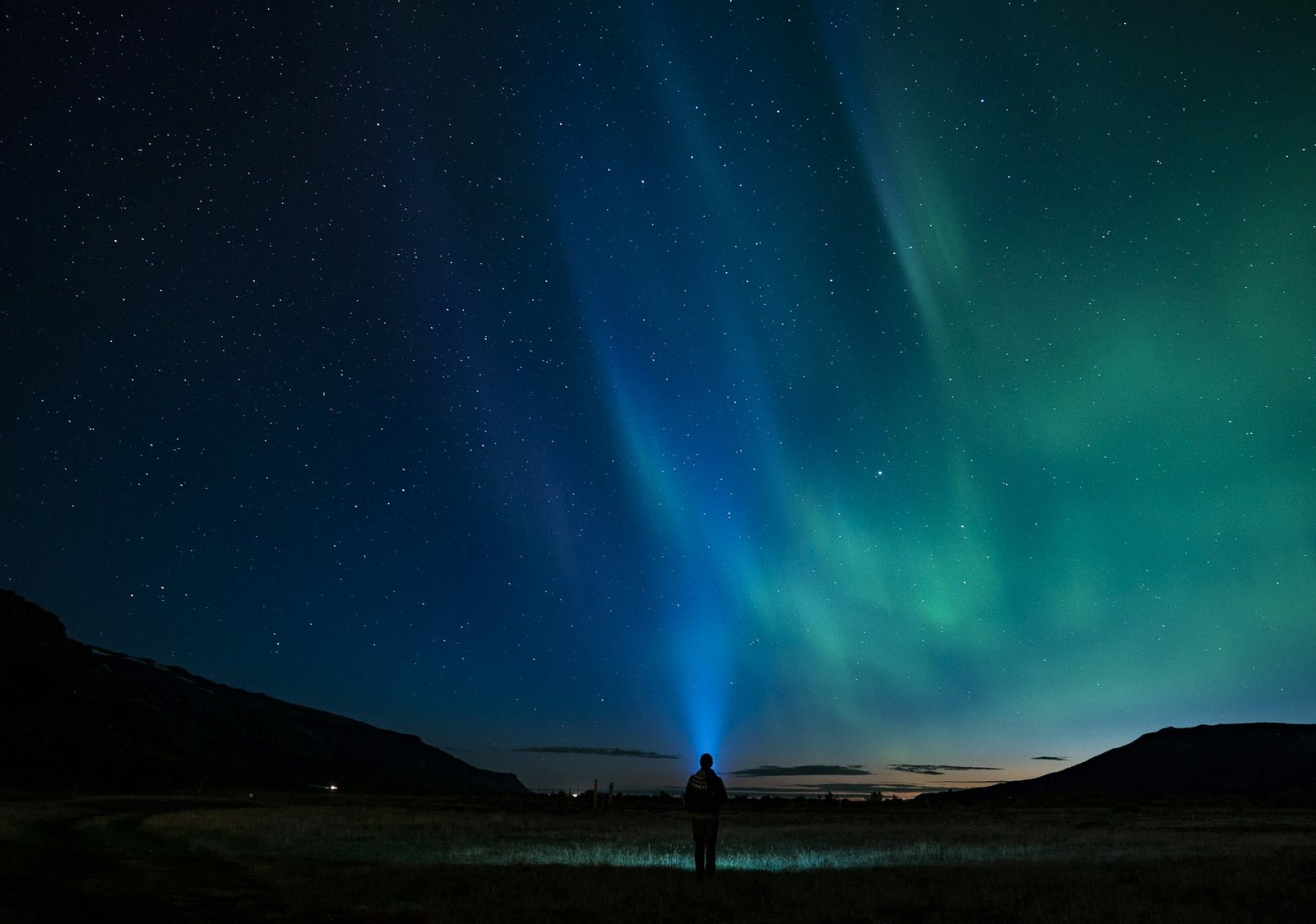
Long-exposure photography makes the aurora look constant and vivid, a fixed curtain of colour. It isn’t. Most of what you see with your eyes is fainter and greyer than any photo — a kind of shifting, pale presence rather than the saturated green everyone expects from Instagram. It moves in a way that’s genuinely hard to describe: not like clouds, not like anything else in the sky, something closer to watching smoke that’s lit from within.
The cold becomes part of the memory whether you want it to or not. Standing still for hours in temperatures well below freezing, breath visible, feet going numb despite the boots — it’s uncomfortable in the moment and, oddly, part of what makes the experience feel earned rather than simply seen.
Daytime, the same light does something else entirely
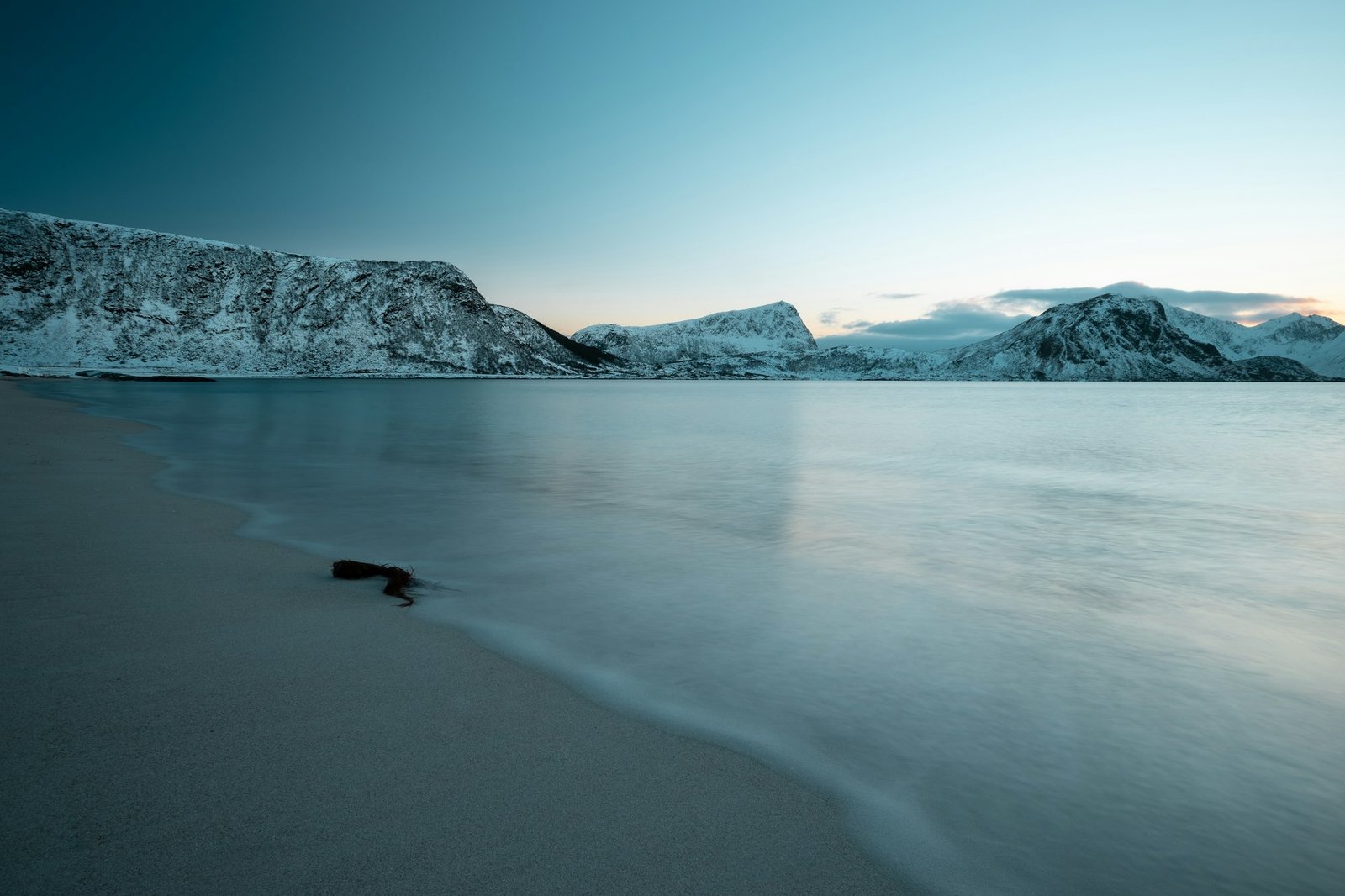
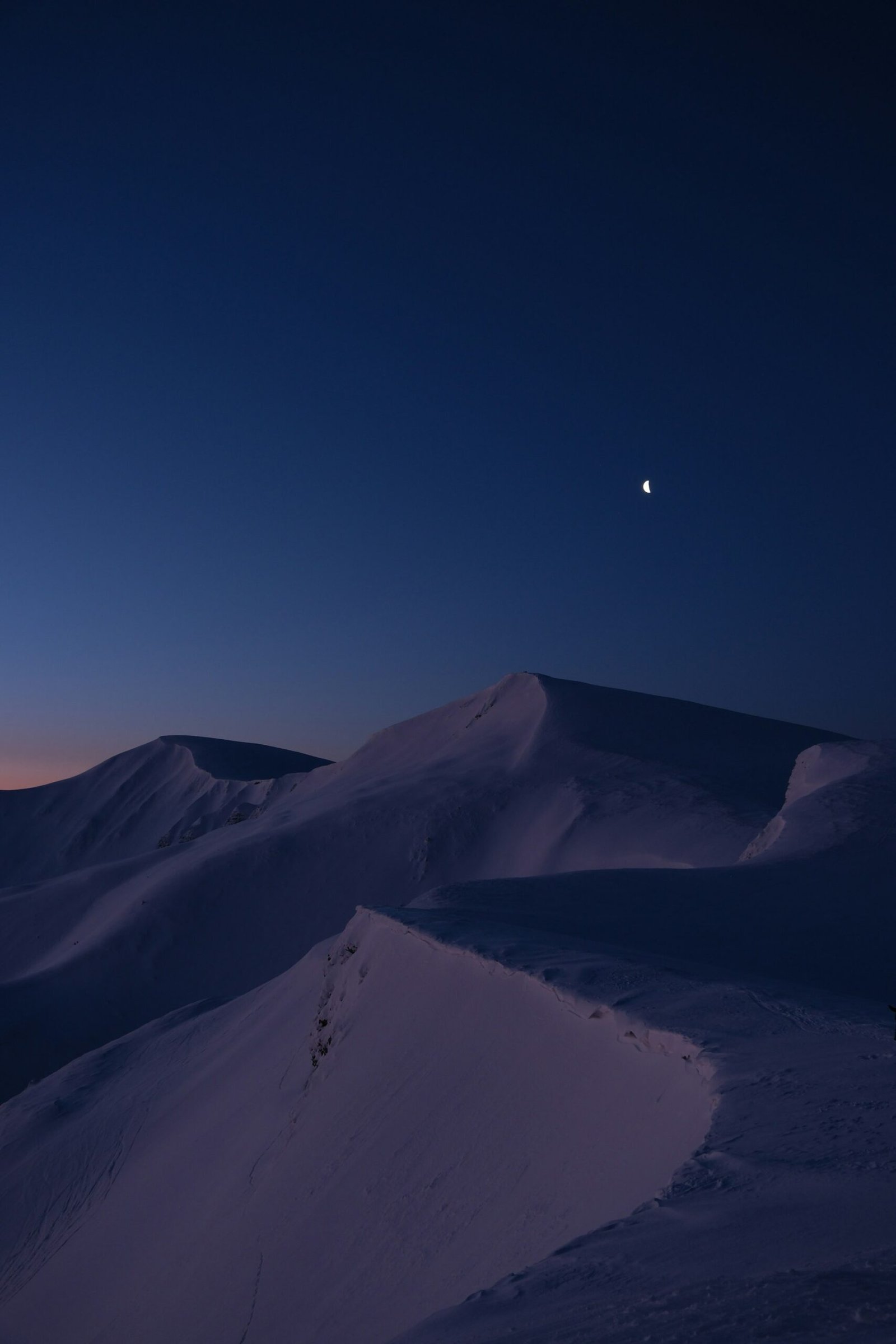
It’s worth saying: the aurora is not the only reason the light here is extraordinary. Winter days in Lofoten, when they come at all — between 7 December and 5 January the sun doesn’t rise over the main islands at all — produce a low, extended blue-hour glow that can last for hours rather than minutes, the mountains going a deep blue-grey that has no real equivalent further south. Photographers who come specifically for the aurora often find themselves equally struck by what happens at 11am. It’s the same low winter light that makes the harbour towns look their best when the racks are fullest.
The honest version of the advice
Plan for at least three nights if the aurora is the actual reason you’re coming, not one — the weather and the geomagnetic activity both need to cooperate, and they often don’t on the first attempt. Bring more layers than feels reasonable. And go in without a photograph in mind. The nights it disappoints as a photo are often the ones people remember best in person.
Join