Destination · Corsica
Corsica
An island most people try to drive around, and shouldn’t. The south has the water everyone comes for; the interior has almost none of the visitors.
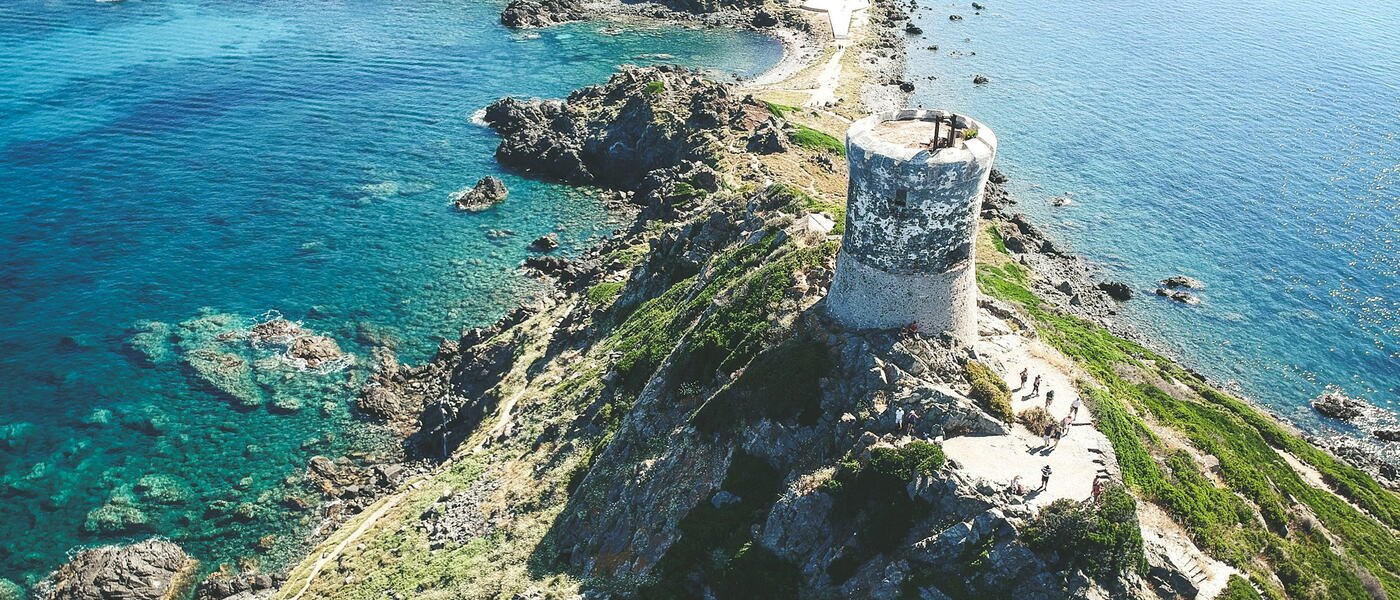
Everyone who’s only seen the postcards thinks Corsica is a beach. It is, and a genuinely good one — but the island most people never bother to see is forty minutes inland: granite villages, a mountain cuisine, a language that survived being governed from elsewhere for most of its history. Three ways into the same island, none of them the whole thing.
01 — The Selection
Three ways to read the same island.
Itinerary
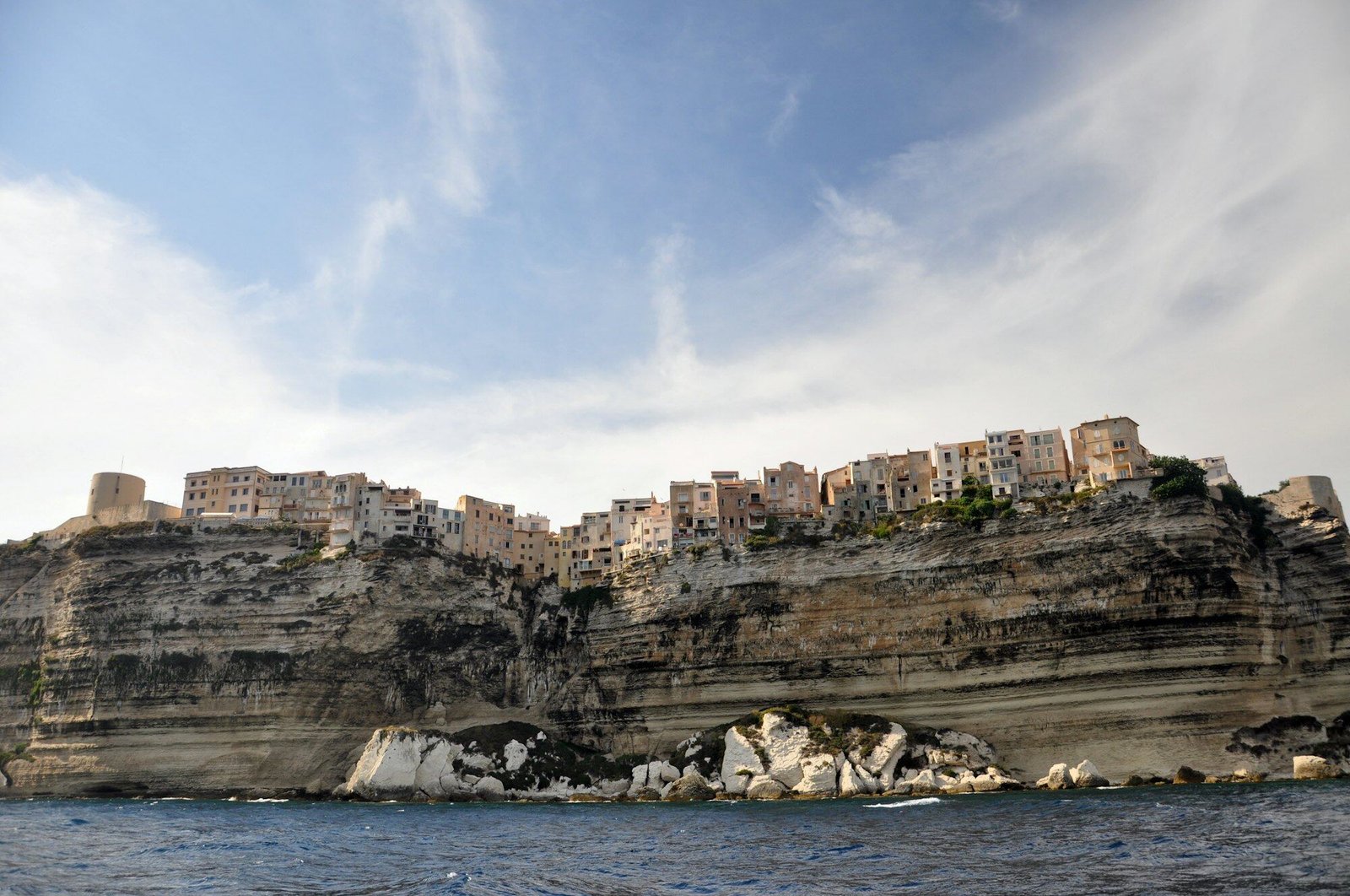
Corsica, The South, In About a Week
Porto-Vecchio to Bonifacio, the beaches ranked honestly, and the one day inland that isn’t optional.
Read the piece →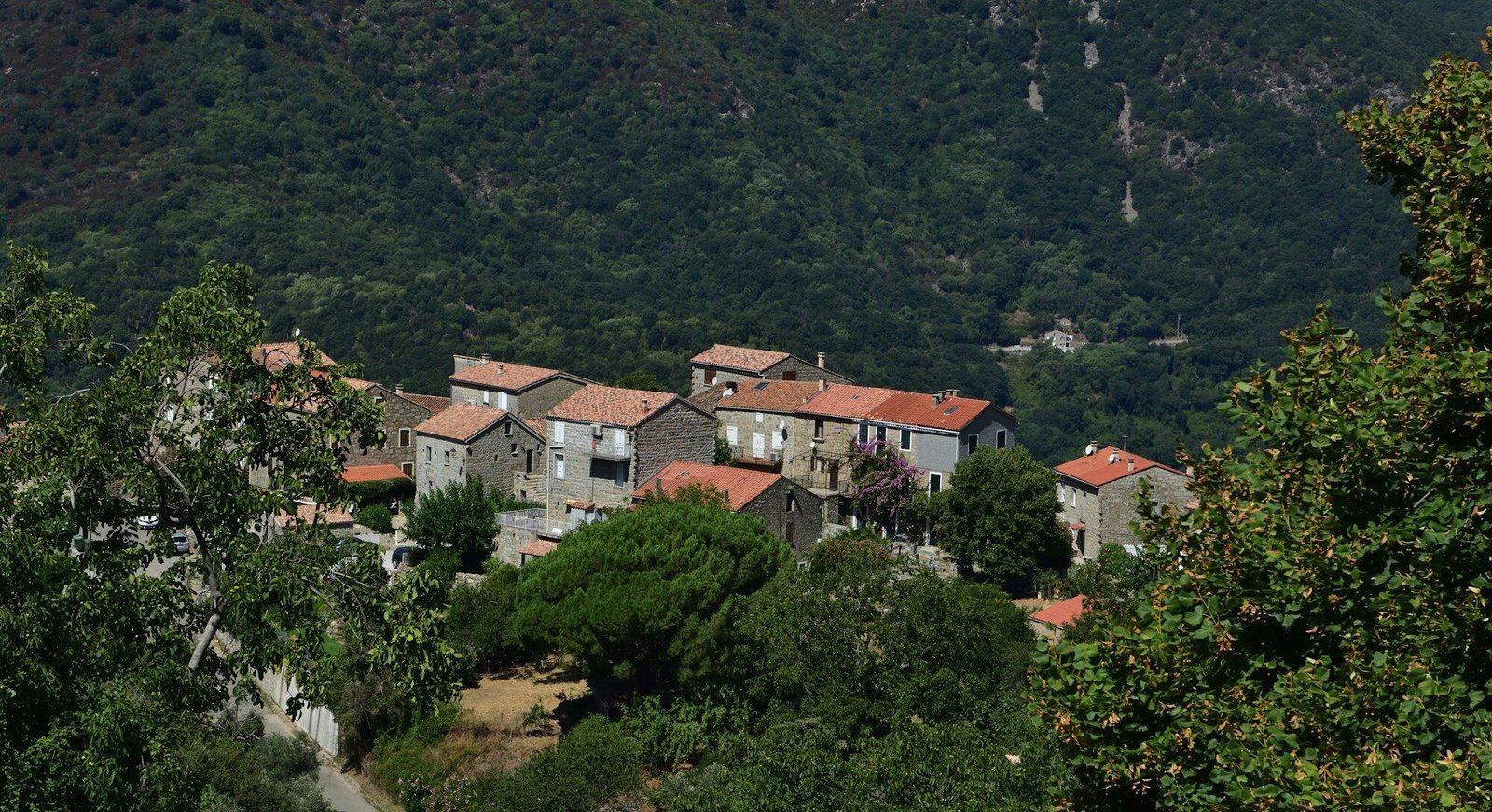
Culture & Food
The Corsica That Has Nothing To Do With the Beach
Shot-out road signs, a mountain cuisine on an island, and why the villages went up in the hills.
Read the piece →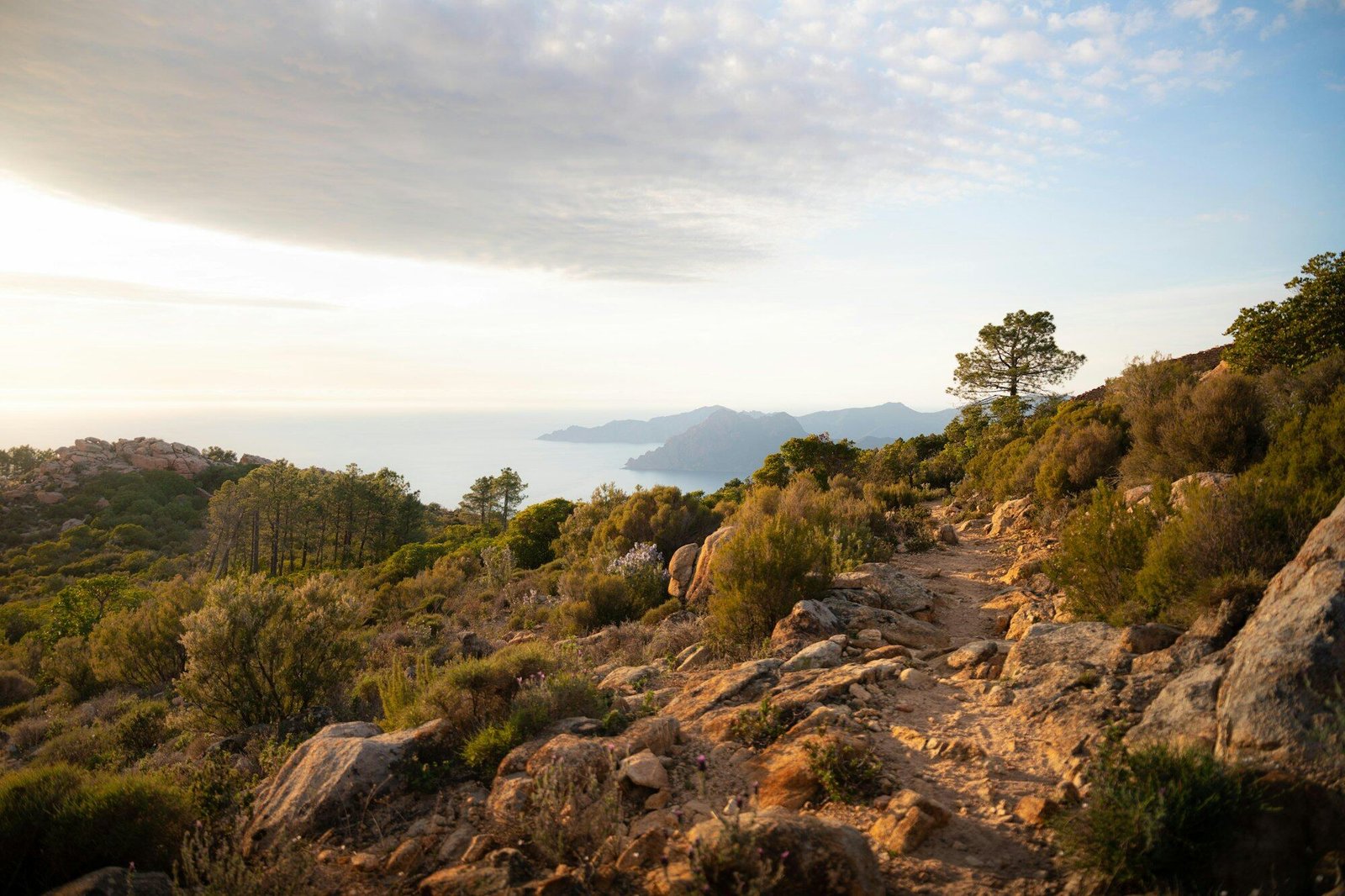
Sensory
You Smell Corsica Before You See It
The maquis, the specific colour of the water, and the wind that rearranges your day.
Read the piece →02 — A Fortnight, Region by Region
What each piece settles, in the order you would travel it.
Nothing on this island is reachable on a timetable. There is no motorway, the limit outside towns is 80 km/h, and the average you hold is closer to 40 — so the first decision is the car, and it is taken in late winter. Two adults, the vehicle and both crossings came to €404 booked in early March, which is what the ferry cost, and what the night cabin actually buys you.
At the northern tip, Barcaggio is a kilometre of sand with a flat walk in and a €2 car park the commune set out for us in writing. The useful thing about Cap Corse is that it is a different weather system from the coast an hour south: keep it for the day a crossing is cancelled and the wind decides your morning.
Two gorges open off Corte and they work in opposite ways. One asks nothing at all; the Restonica asks €4, an app and a seat booked before you leave town, because the road to the sheepfolds has not existed since the 2023 storms — nothing is sold on board, and you travel on the departure you booked.
Thirty minutes above the coast the prices change. The Alta Rocca gives you thermal water at 38°C for €7, with a twenty-minute limit the estate publishes itself, and an eight-room auberge where an August storm took the power out for five hours and breakfast with it.
On the south coast the arithmetic is blunt: one other car at Vardiola on 22 August, and Rondinara packed, littered and charging €6 half an hour away. Which beaches are worth the day, and why the empty ones look forbidden from the road, is most of what we learned down there.
North of Cargèse the road becomes the event. The calanches at midday and the calanches at four in the afternoon are different roads, Capo Rosso keeps 290 of its 600 metres of climb for the way back, and the best-value beach on this coast is at the bottom of the worst lane.
No road reaches Girolata at all. The day boat out of Porto lands you there for thirty minutes at €75 a head, the postman’s path lets you decide when to leave, and the question to ask an operator is how long ashore, not how much. The wider rule for anything that floats: Scandola is skirted, not entered, and our captain’s commentary was essentially in French.
The Balagne is the easy end of the island and the one place the pattern breaks — Sant’Ambroggio is signposted, you park a few steps from the sand, and it is very good anyway. Calvi’s citadel is free, open, and yours at sunset, with no ticket to organise the evening around.
In the gulf of Ajaccio the citadel shuts completely at the end of summer 2026, ahead of works running to 2030. What still works there is outside the city: free spaces upstream of the paid car park at La Parata, an hour and a quarter of customs path to Capo di Feno, and a beach that turns dangerous the moment the sea gets up.
Three pieces cut across the fortnight rather than a region. The variable that predicted a stay was not the category but the number of rooms — three places between €137 and €240 a night, and the only large hotel was the only refusal. What €240 buys in a house that lets three rooms is a screened terrace, silence, and a view over the car park. And the bills: seven dinners, from €54 to €200 for two, of which exactly one crossed €120 and it was the only one we would not book again.
03 — Recommended Stay
Five-star hotel
Casadelmar, Porto-Vecchio
We’d point you toward Casadelmar first, and not because it’s the loudest option in the gulf — the opposite, really. Jean-François Bodin built low and quiet: white walls, grey Bateig stone, pale wood, and thirty-four rooms with the beds turned to face the water rather than the room. Jean Mus’s three hectares of garden do the rest of the framing — olive trees old enough to have outlasted several owners’ opinions about what belongs there.
The restaurant holds two Michelin stars and a Passion Dessert award, which sounds like a lot until you’ve eaten there and realised the kitchen doesn’t seem to know it’s supposed to be showing off.
Booking through this link may earn Sharp Voyage a commission, at no extra cost to you. It does not change what we recommend. How this works.
Check availability →Destinations
Looking for somewhere else?
See the full selection — five to seven places at a time.