French Polynesia · Practical
Which Island: Bora Bora, Moorea, Taha’a, Tahiti or Fakarava
Five islands, one archipelago, and nightly rates that run from a family guesthouse to an overwater villa.
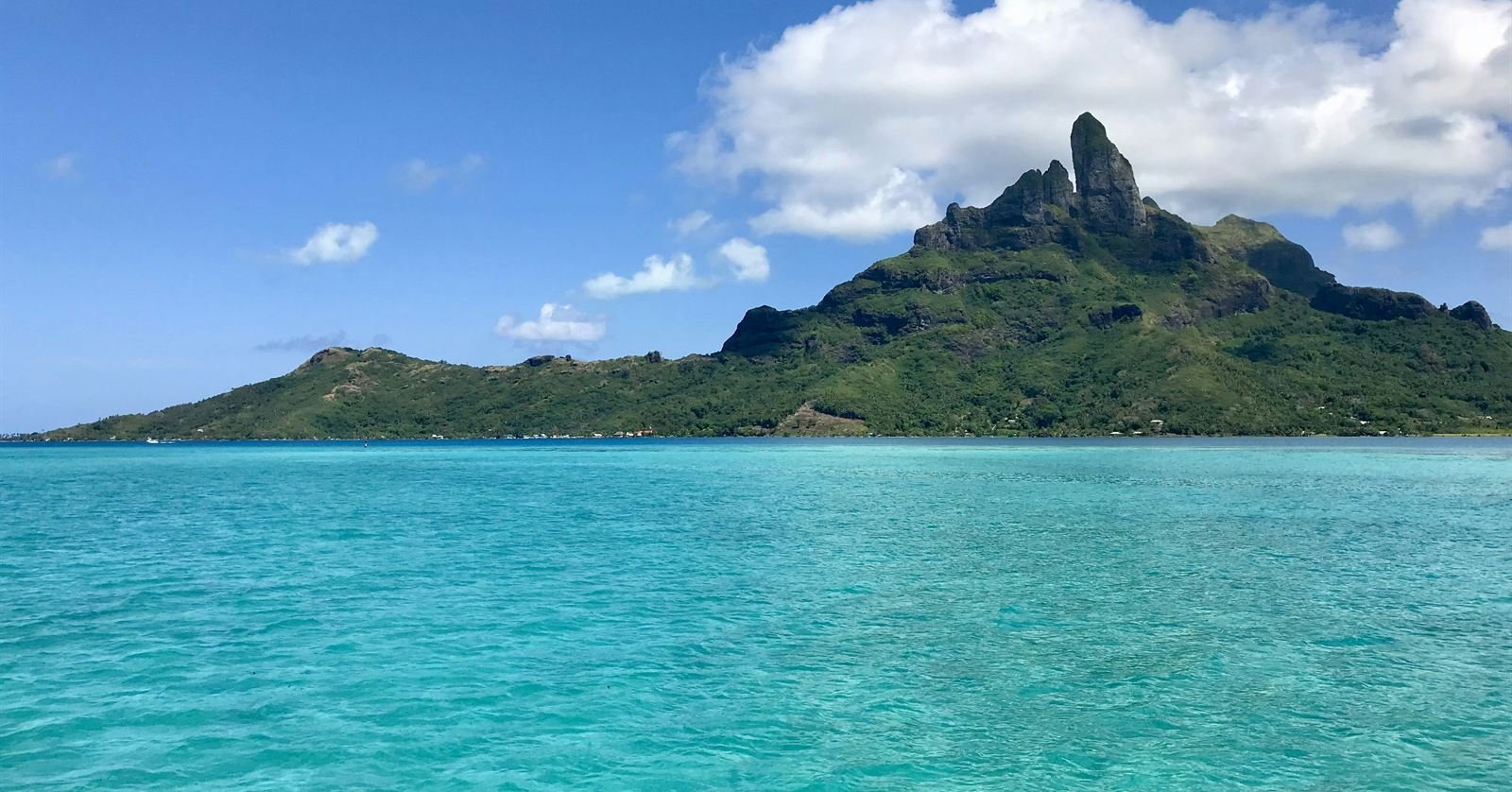
People generally decide this by looking at photographs, which is the worst available method, because three of the five photograph identically. The water is the same water. What differs is what happens when you put the camera down.
Smart Summary
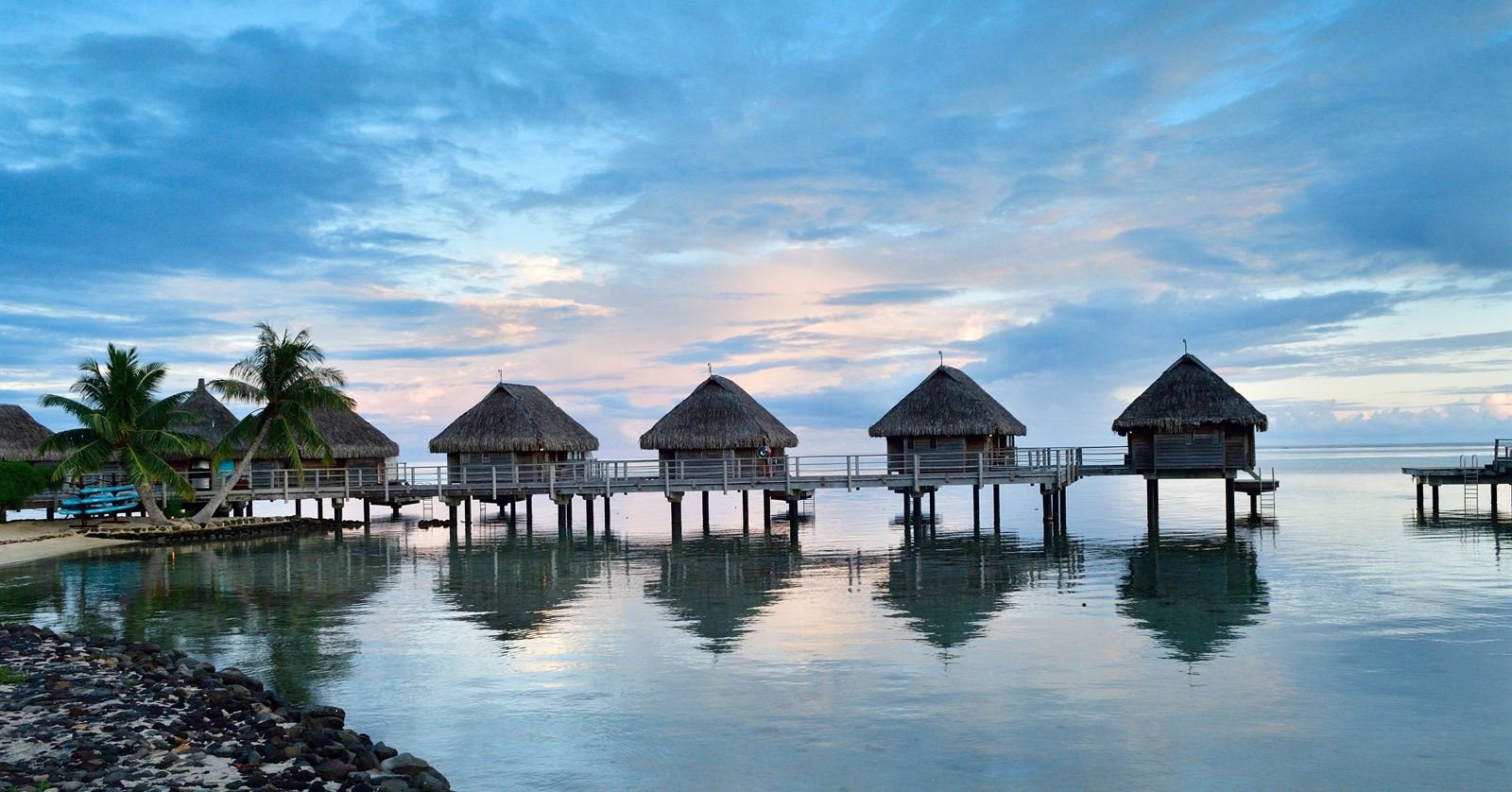
- Bora Bora sells an object: the overwater bungalow, on a private islet, at rates that match its fame. It delivers it precisely.
- Moorea sells an island: mountains, a road, villages, thirty minutes from the capital, at a fraction of the price.
- Taha’a sells absence: no airport, no crowds, a vanilla crop and a current that carries you over coral.
- Tahiti is where you land whether you planned to or not, and it is the capital, where the economy is more than tourism.
- Fakarava is the contrarian answer: a flat coral ring around a lagoon, and some of the best diving in the Pacific.
- Do not try to combine them freely. The air passes impose an order, and that constraint decides more itineraries than preference does.
What each one is actually selling
Bora Bora sells an image, and the image is real. The lagoon is exceptional, the resorts are genuinely good, and the overwater bungalow is not a gimmick — it is a well-executed piece of hospitality design that people remember for the rest of their lives. What you are also buying is a place that knows exactly what it is worth. You will not be alone, and if you stay on a motu you will spend a week on an islet rather than on Bora Bora.
Moorea sells accessibility, in the good sense. Half an hour by ferry from Papeete. A road you can drive, two spectacular bays, a viewpoint between them, and interior walking that is properly demanding. It is also a commuter island with a working population, so it never feels like a resort with a village attached.
Taha’a sells the absence of everything above. No airport, which means no arrivals hall and no day-trip volume. Vanilla plantations, pearl farms, and a coral garden you drift through for free. It is the island the others are visited from, and almost nobody stays.
Tahiti sells the thing nobody came for. A capital, a market that opens at four on a Sunday morning, a steep green interior almost no visitor enters, and black sand on the east coast. It is the capital, where tourism is only part of the economy, and it is the one everyone skips in a single night.
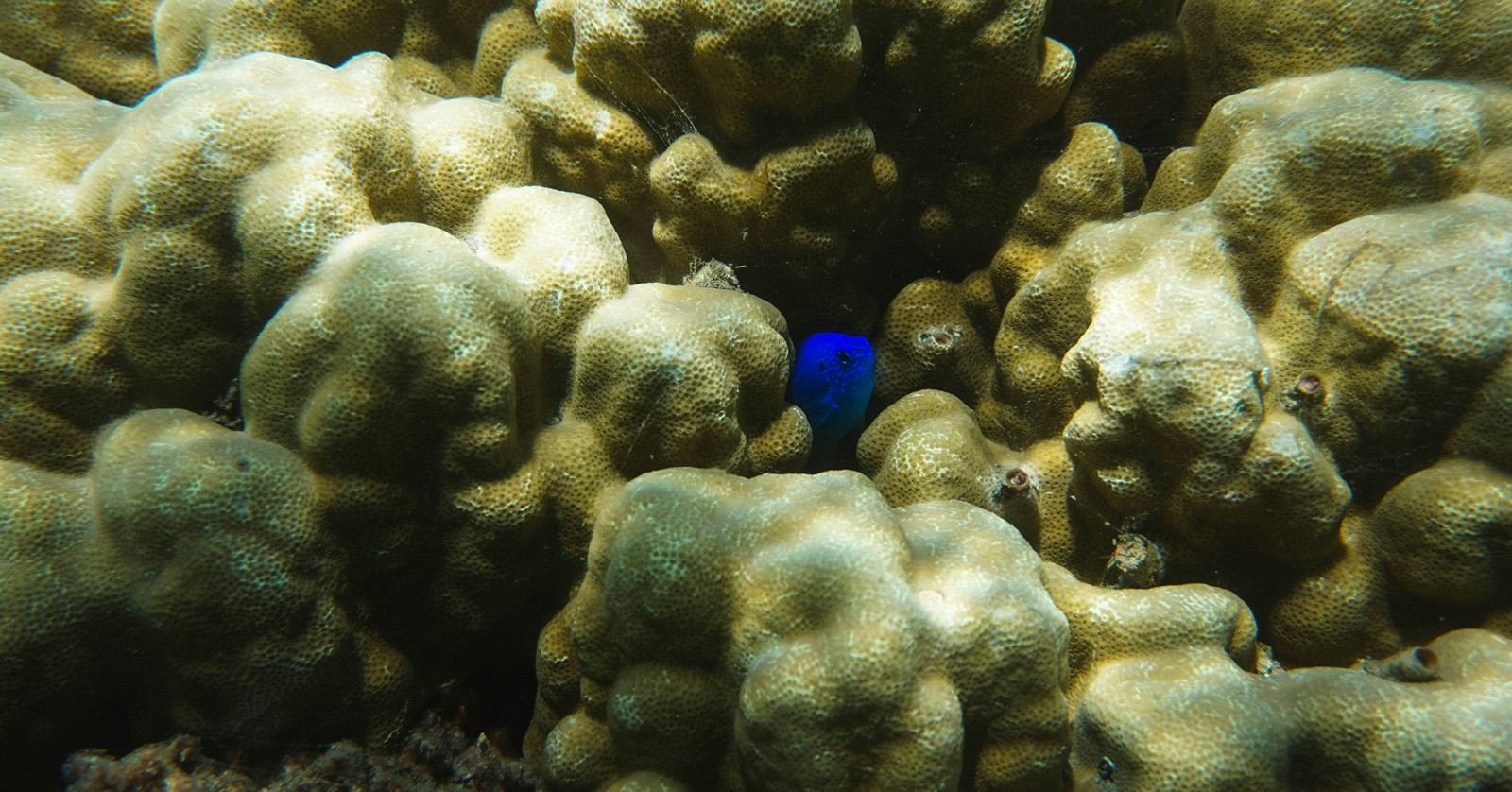
Fakarava sells what is underwater. An atoll is a ring of coral with no mountain and no interior, sixty kilometres long here, with two passes where the lagoon trades water with the ocean and everything that eats gathers to do it. If your trip has already delivered green peaks, this reads as flat and empty for about an hour, and then it does not.
The five islands, side by side
What follows is only what the islands and their properties actually publish. Nightly rates and room counts are not in this table: barely half the properties across these five islands publish either, and a half-empty column is worse than no column. Both are on the island pages, where they exist.
| Bora Bora | Moorea | Taha’a | Tahiti | Fakarava | |
|---|---|---|---|---|---|
| Where you sleep | Mostly private motu; one resort on the main island | Main island, all of it | Private motu, or the main island | Main island, in or beside Papeete | The atoll ring, north end or south end |
| Getting there | Fly, then a boat — the airport is on its own islet | Ferry from Papeete, about half an hour | Fly to Raiatea, then a boat | The international airport; you land here anyway | Fly from Tahiti, then a boat if you are going south |
| Overwater bungalows | Yes, at almost every resort | Yes | Yes | Rooms and suites; overwater is not the point here | Yes, at the north end |
| Eating away from your hotel | Only if you are on the main island | Yes, easily | Limited, and a boat away from a motu | A capital city’s worth | A village at the north end; nothing at the south |
| Accessible rooms published | Two wheelchair-accessible beach bungalows at one resort | One category adapted at one resort | One adapted bungalow at one guesthouse | Three adapted units at one hotel; facilities listed at another | None published |
The decision, by what you actually want
You want the photograph. Bora Bora. There is no substitute and the substitutes people suggest are all worse at being the photograph. Book the motu resort, accept that you are on an islet, and enjoy it without guilt.
You want to see an island. Moorea. Drive it, walk it, eat somewhere that is not your hotel, and spend a fraction of what Bora Bora costs.
You want quiet at the top of the market. Taha’a. This is the one we would book, and it is the one almost nobody considers.
You dive. Fakarava, south end, and give it five nights rather than three. Everything else in this list is a compromise for a diver.
You have two weeks. Taha’a and Fakarava, with the two nights on Tahiti you were going to spend anyway, used properly. You will not miss Bora Bora as much as you expect.
You are going once and it has to be right. Bora Bora for four nights and Moorea for four. It is the conventional answer because it works.
Why Taha’a is the one we would book
The volume. Bora Bora receives the traffic of a global brand. Taha’a receives the traffic of an island with no runway. Same archipelago, same lagoon system, same water — and a fraction of the boats. For a traveller whose scarce resource is not money but the absence of other people, that is the entire equation.
The land. Bora Bora’s main island is a road, a village and a mountain, and most guests never touch it. Taha’a has vanilla plantations you can walk into, pearl farms that will show you the grafting, and villages where nothing is arranged for you.
What would change our mind. If the overwater bungalow is specifically the point — the object itself, photographed, in that lagoon, with that mountain behind it — then Bora Bora is correct and Taha’a is a compromise dressed as a discovery. We would rather say that plainly than pretend the famous island is overrated. It is not overrated. It is exactly rated, and it is priced accordingly.
The constraint nobody mentions
You cannot combine these islands freely.
The multi-island air passes are built as a geographic arc. One stop per island. No going back through Tahiti in the middle of the pass. Every flight confirmed when the pass is issued, not later. Between them, those three rules rule out the hub-and-spoke itinerary most people sketch on a first attempt — out from Papeete, back to Papeete, out again.
What does work, and what almost nobody books: Bora Bora, then Raiatea — which is Taha’a, they share a lagoon and an airport — then Fakarava. One arc, no doubling back, and there is a boat between Bora Bora and Taha’a if you would rather not fly that leg.
Work out the routing before you fall in love with a combination. The airline will not bend for it.
Accessibility, which almost nobody publishes
Across every property we checked on these five islands, five publish anything at all about accessible rooms, and the detail varies from a counted number of wheelchair-accessible bungalows to a line on a list of facilities.
Two practical consequences. First, Tahiti is the best-documented island for this and Fakarava has nothing published at all, which reverses the usual ranking. Second, silence here means silence, not absence — ask the property directly, and ask about the route from the boat to the room rather than about the room, because on a motu the pontoon is the obstacle, not the bathroom.
In detail
Bora Bora, and the Island You Don’t Stay On — why most visitors never set foot on the island itself, and the boat that leaves ninety minutes before your flight.
Moorea, and the Last Boat — the commuter island, the ferry timetable that governs a day trip, and why we would take four nights here over two on Bora Bora.
Taha’a, the Island Without an Airport — vanilla, the coral garden, and an accommodation market with very little in the middle.
Tahiti, and the Four O’Clock Market — the island everyone lands on and nobody looks at.
Fakarava, North or South — sixty kilometres of lagoon, two passes, and why the end of the atoll you choose is the whole decision.
Three of the islands photograph the same, and none of them cost the same. Decide on what you want to be doing on the fourth afternoon, not on what the first photograph looks like.
Join